Last updated November 22, 2026
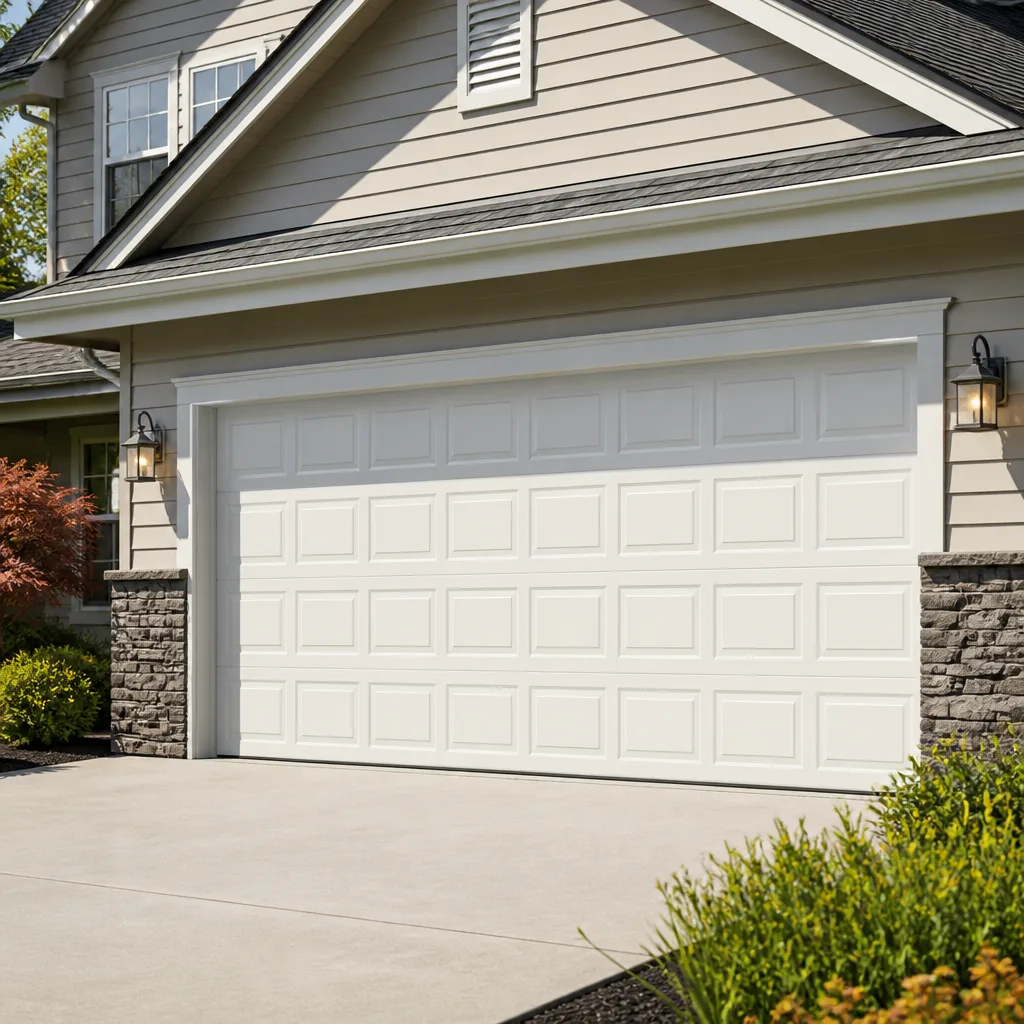 Raised-panel steel
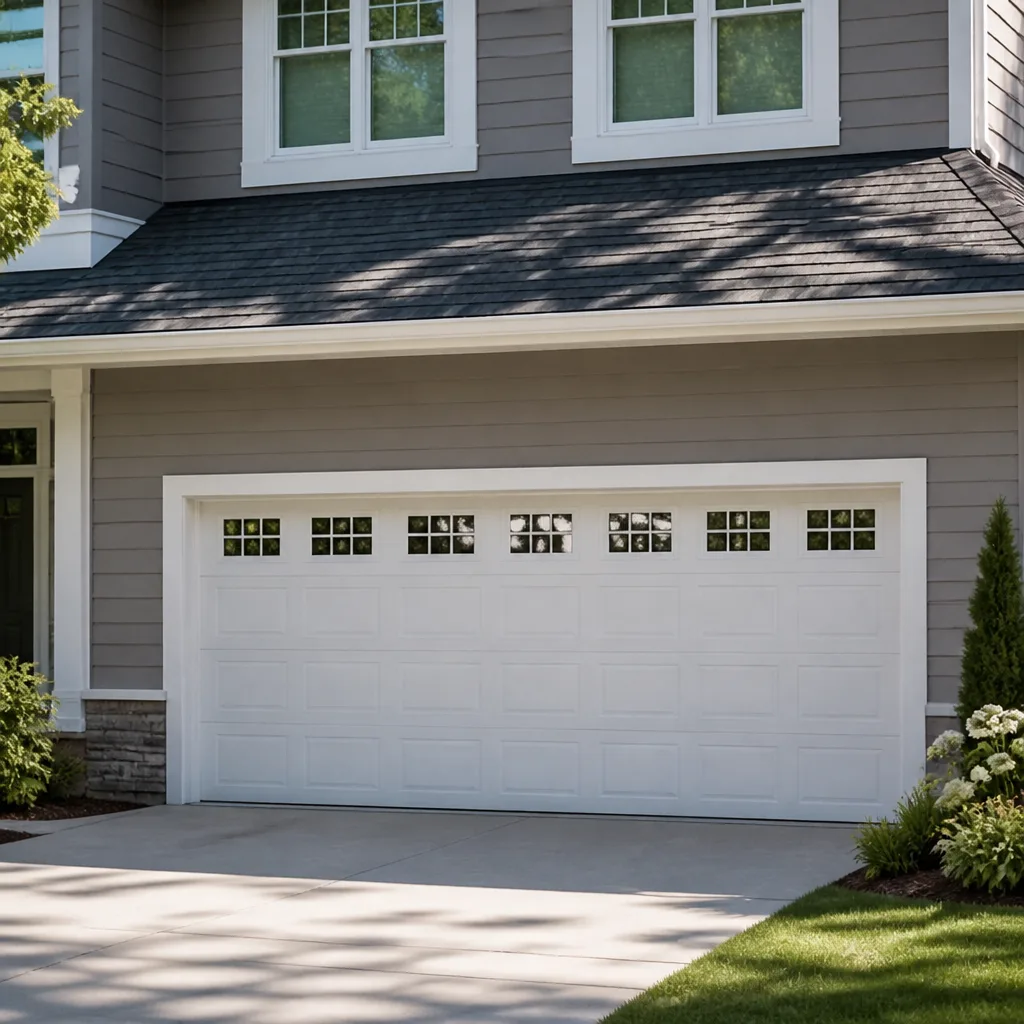
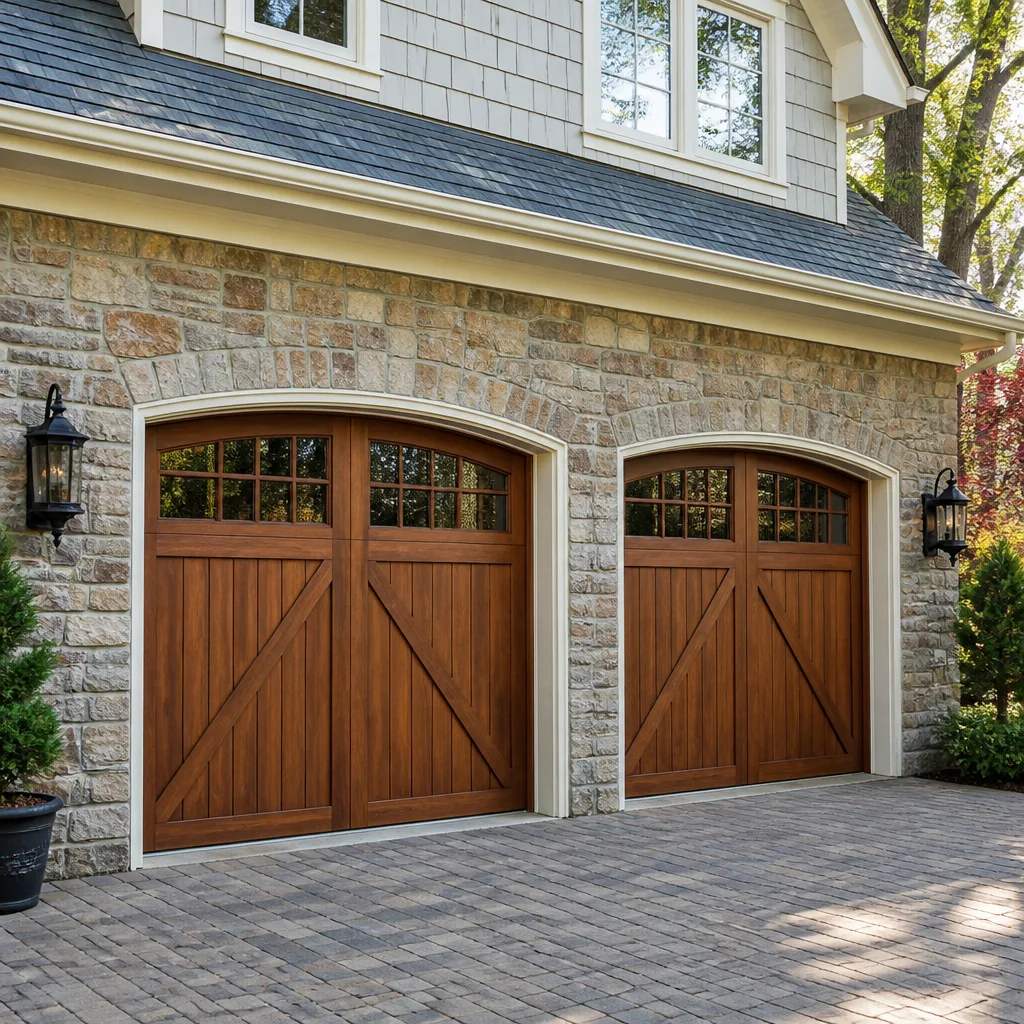 Carriage house
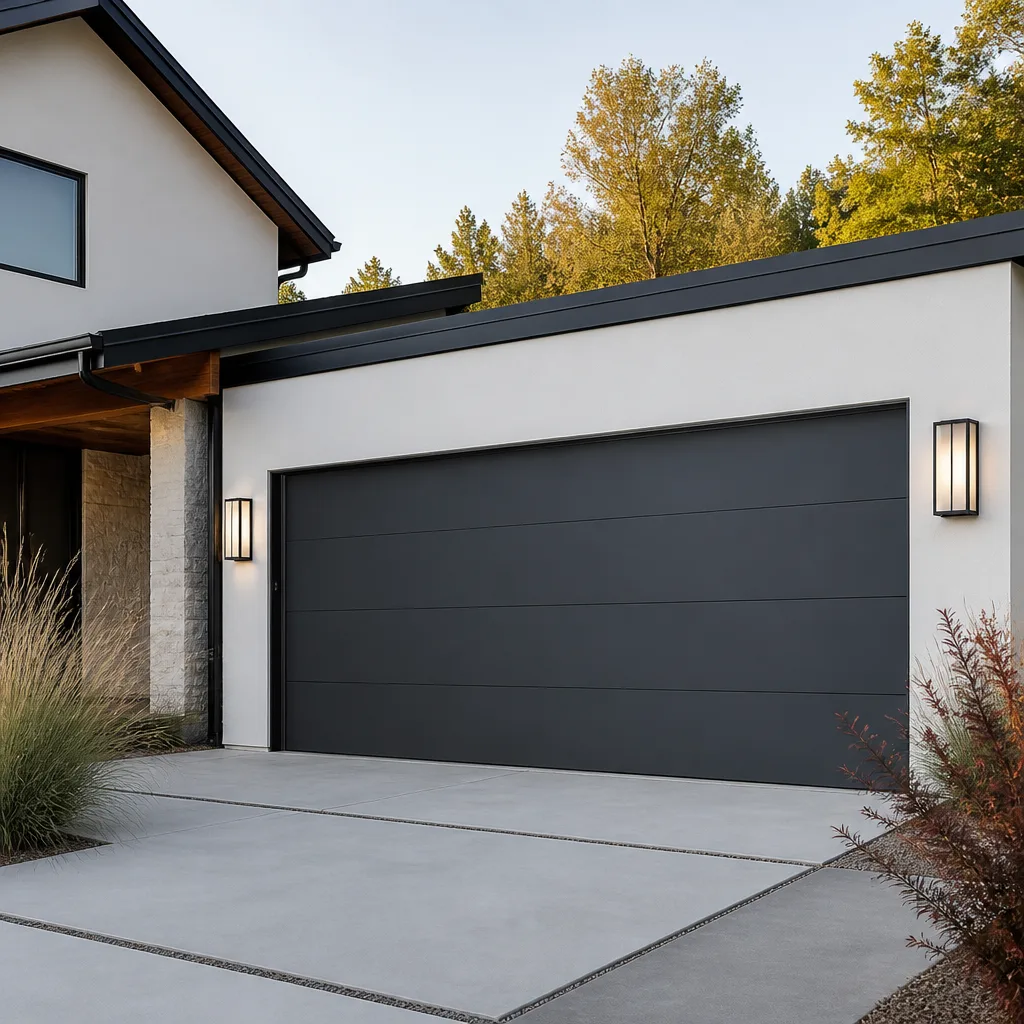 Modern flush
 Full-view glass
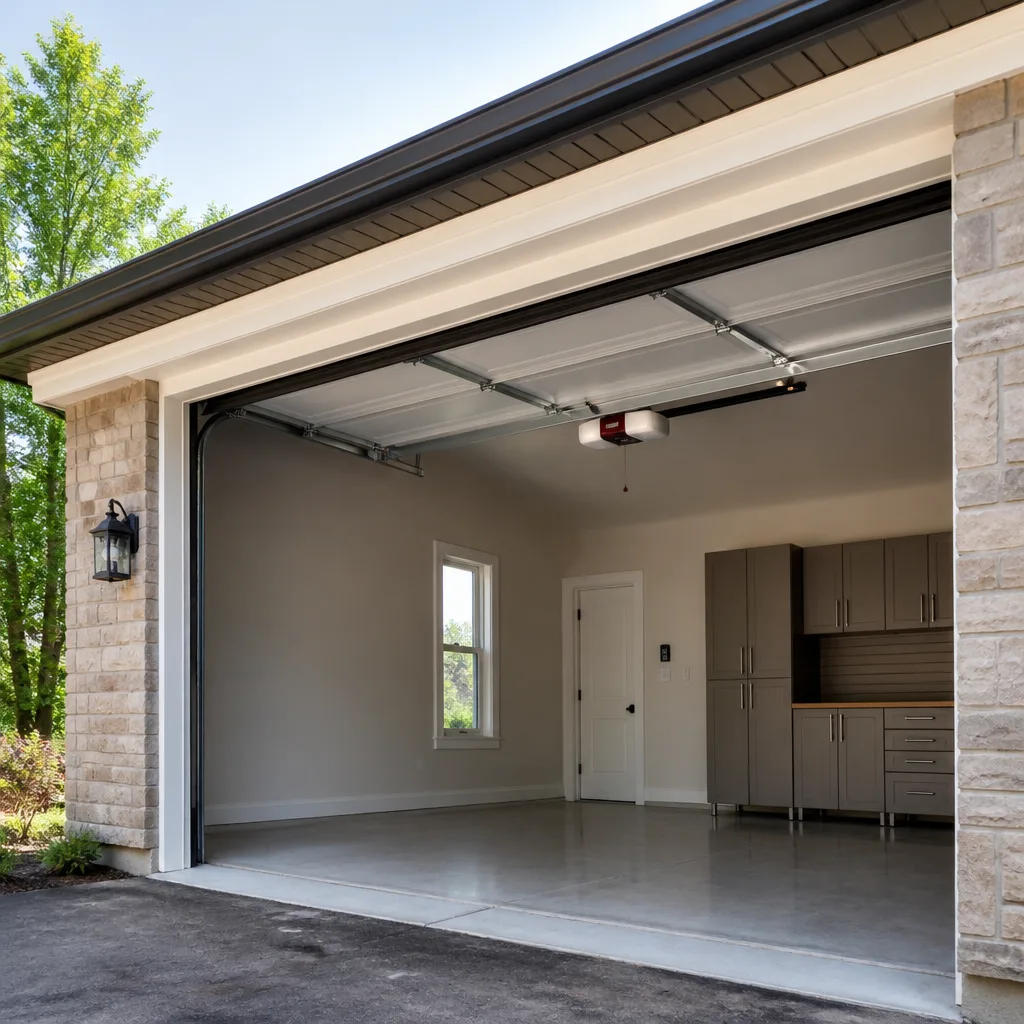 LiftMaster openers
 Chamberlain openers
Full 25-point door and opener safety check with every visit - springs, cables, rollers, tracks, and your LiftMaster or Chamberlain opener included
You get a price before we start. It does not change when the pro arrives.
Get your free estimateGarage Door Permits, Codes & Inspections in Largo, FL: What You Need to Know
Here’s the part that surprises most homeowners: in Largo, swapping out a garage door is usually a permitting event, but fixing one almost never is. People assume the opposite. They think a whole new door is just a purchase, and that any repair with a truck in the driveway must need paperwork. It’s backwards, and the confusion has real consequences when a door goes in without the right approval or a buyer’s inspector starts asking questions years later. This guide walks through the City of Largo’s threshold for what needs a permit, how Florida Product Approval works on a garage door, what a garage door inspection actually checks, and why an unpermitted door can complicate both an insurance claim and a home sale.
Quick Answer
In Largo, a full garage door replacement, a new door on new construction, and any structural change to the opening almost always require a permit and a door that carries Florida Product Approval for the local wind zone. Straight repairs like a broken spring, a worn roller, a frayed cable, or an opener swap generally do not. The permit itself is inexpensive; the trouble comes from skipping it, because an unapproved door can raise questions at insurance time and at resale.
Styles & brands we work with
- Raised-panel steel
- Carriage house
- Modern flush
- Full-view glass
- LiftMaster openers
- Chamberlain openers
Table of Contents
- When does a garage door need a permit in Largo?
- Florida Product Approval: what it is and how to check a door
- Wind load and what “wind-rated” actually means on a spec sheet
- What happens during a garage door inspection
- Common inspection failures and how to avoid a re-inspection fee
- How an unpermitted garage door affects insurance and a home sale
- Do openers and electrical work fall under the code?
- A step-by-step path from quote to final inspection
When does a garage door need a permit in Largo?
The short rule: replacement and structural work usually need a permit, repair and maintenance usually don’t. If you’re pulling out an old door and hanging a new one in the same opening, plan on permitting. If you’re keeping the door and fixing a component, you generally aren’t triggering the review. That split is where most of the confusion lives.
The City of Largo’s building department sets the exact threshold, and it’s always worth a quick call to confirm for your specific address before work starts. Here’s how the categories usually break down:
- Full door replacement: Almost always permitted. A new door is a new product installed in a wind-borne-debris region, and the city wants the approval documentation on file.
- New construction or a new opening: Permitted, and the door has to meet the same wind requirements as the rest of the building envelope.
- Structural changes to the opening: Widening, raising the header, or changing the framing is structural work and needs a permit and often engineering.
- Same-size repair of a component: A spring, cable, roller, hinge, or track repair on the existing door typically does not need a permit.
- Opener replacement: Usually not a building permit item, though the electrical work has its own rules (covered below).
- Panel replacement: Often unpermitted if it’s a like-for-like match, but flagged if the panel changes the door’s rating or approval.
One reason this matters in Largo specifically: the housing stock is a mix of older block homes and newer construction, and doors get replaced at different points in a home’s life. An older home with an original door that’s reached the end of its life is a very common replacement scenario, which means a lot of Largo homeowners are making the permit decision all at once.
Florida Product Approval: what it is and how to check a door
Florida Product Approval (FPA) is the state’s system for verifying that a building product meets the code requirements for its intended use, including wind resistance. For a garage door, that means the manufacturer has had the product tested and listed, and there’s a documented approval number tied to that specific door model and its wind rating.
Here’s where a lot of people get burned: they buy a door, it goes up, and only later does anyone ask for the approval number. Getting it before the door is installed is simple. Getting it after a failed inspection is a headache, because the door may need to be swapped for an approved model.
Check the approval before you buy. The manufacturer’s documentation and Florida’s product approval database both carry the number. Ask for it in writing:
- Get the exact model and series number from the door you’re considering.
- Ask the supplier or installer for the Florida Product Approval number tied to that model.
- Confirm the approval covers your wind zone (more on that below).
- Confirm the approval lists the installation method the installer will actually use, because mounting and anchoring are part of what was tested.
- Keep a copy of the approval documentation with your home records. You’ll want it at inspection and possibly at resale.
When we quote a replacement, the approval documentation is part of the package. That’s not a special favor; it’s what a permitted job requires. We work with Clopay and Amarr doors regularly, and both have approved models for this market, but the number still has to match the specific door, not just the brand.
Wind load and what “wind-rated” actually means on a spec sheet
“Wind-rated” is one of the most misread phrases in garage door shopping. It doesn’t mean a door will survive any storm. It means the door was tested to a specific design pressure and installed a specific way, and that combination is what the code accepts. Two doors from the same brand can carry different ratings depending on the model, the size, and the reinforcement.
Largo sits in a wind speed zone where doors have to meet a design pressure the building code sets for the area. What you’ll see on a spec sheet is the door’s rated design pressure, which has to meet or exceed what the code requires for your structure. A few practical points:
- The rating is model-specific. The same width door in a different series can have a different rating.
- The installation is part of the rating. Anchoring, reinforcement struts, and the way the track is secured all factor into whether the tested assembly matches what you’re getting.
- Size matters. A wide double door generally carries a lower design pressure than a narrower single door for the same product line.
- Wind-rated isn’t the same as impact-rated. Wind rating is about pressure. Impact is a separate test. Know which one your door’s approval covers.
This is why a garage door quote in Largo should name the door model and the approval, not just a brand and a price. If a quote only says “wind-rated” with no model or approval number, ask for the specifics before signing. When we quote a door for a Largo home, we match the model to the opening and confirm the approval before the order goes in.
What happens during a garage door inspection
An inspection is a documentation and safety check, not a test drive. The inspector is confirming the door is the approved product, it’s installed the way the approval requires, and it operates safely. You don’t need to be home, but the property needs to be accessible and the door needs to be operating.
Here’s what typically gets checked:
- Product approval match. The door on the wall matches the approved model on the paperwork.
- Mounting and anchoring. The track and hardware are secured per the installation instructions and the approval.
- Operation. The door travels smoothly, opens and closes fully, and the balance is right.
- Safety features. The opener’s reversal function and the photo-eye safety sensors are tested if there’s an opener.
- Reinforcement. Any struts or hardware the approval requires are present.
- Labeling. Manufacturer labels and approval documentation are available.
The operation piece matters more than people expect. If a door binds or the opener reverses on contact, that’s a fail regardless of whether the product is correct. In our experience, most inspection surprises on garage doors trace back to a detail that was skippable: the wrong model was delivered, or a reinforcement strut wasn’t installed, or the approval documentation wasn’t on site. None of those are hard to prevent. They’re just easy to overlook when a job moves fast.
Common inspection failures and how to avoid a re-inspection fee
A re-inspection is a hassle and a cost, and most of the reasons behind one are avoidable. The pattern is usually documentation or a mismatch, not a fundamental install problem. Here’s what we’ve seen cause a failed garage door inspection and how to head each off:
- Wrong model on site. The door installed doesn’t match the approved model. Prevent it by confirming the model and approval before the order, and checking the label on delivery.
- Approval documentation missing. The paperwork exists but isn’t on site for the inspector. Keep a printed copy with the permit.
- Missing reinforcement. The approval requires a strut or specific hardware and it’s absent. Ask the installer to confirm the approved configuration, not just a brand-standard one.
- Opening not prepared. The framing or header isn’t ready for the door when the inspector arrives. Sequence the job so the opening is finished before inspection.
- Opener safety failure. The reversal or photo-eye test fails. Test it before the inspection, not during.
- Door binding. The door rubs or hangs, so it doesn’t operate cleanly. Have the installer verify the balance and travel before calling for the inspection.
- Wrong door for the opening size. A door sized without confirming the actual opening width. Measure twice.
The single best way to avoid a re-inspection is to have the paperwork, the model, and the operation confirmed before you schedule it. On a replacement, that’s a conversation the installer and homeowner should have before the door goes up, not after. If you need garage door repair work after a failed inspection or a door that’s binding, that’s a separate visit from the install, and it usually needs to happen before the re-inspection can be scheduled.
How an unpermitted garage door affects insurance and a home sale
An unpermitted garage door can create two separate problems: an insurance claim that gets questioned, and a disclosure obligation at resale. Neither is a certainty, and neither is catastrophic in most cases, but both are avoidable by pulling the permit in the first place.
On the insurance side, the issue is that a door is part of the building envelope. If a storm damages a door that was never permitted or approved, an insurer may question whether the door met the code requirements it was supposed to meet. That doesn’t mean a claim is automatically denied; it means the claim can turn into a longer conversation. A permitted, approved door is a much cleaner claim.
On the resale side, Florida’s disclosure requirements mean a seller has to disclose known defects and certain property conditions. An unpermitted improvement is the kind of thing that surfaces during a buyer’s inspection and turns into a negotiation. It’s not always a deal-breaker, but it’s a delay and sometimes a price adjustment. The fix is simple and cheap relative to the problem: pull the permit when the door goes in, keep the approval documentation, and keep the inspection record with your home files.
This is where first-time permit confusion in Largo gets expensive. Most homeowners taking the shortcut aren’t trying to hide anything. They just didn’t know a replacement door was a permitting event, or the installer never brought it up. Knowing that one fact changes the math.
Do openers and electrical work fall under the code?
Opener replacement usually isn’t a building permit item in Largo, but it does involve electrical work, and that has its own rules. If an existing opener is swapped for a new one on the existing circuit, it’s typically a straightforward replacement. If new wiring, a new outlet, or a dedicated circuit is part of the job, that’s electrical work with its own permitting requirements.
The practical answer: ask before work starts. A garage door opener replacement is a different job than adding a circuit for one. We handle opener repair and replacement across the major brands, and when the job involves new wiring, we’ll tell you it’s a licensed electrical item rather than guess at it. The same applies to garage door opener repair: if it’s a motor, board, or sensor issue, that’s an opener repair. If the wiring itself is the problem, that’s an electrician’s call.
From a safety standpoint, this isn’t the place to improvise. Garage door openers carry real force, and the safety sensors and reversal function are what keep people and pets safe. A technician should test both after any opener work. That’s not optional; it’s the part that makes the door safe to live with.
A step-by-step path from quote to final inspection
Here’s the sequence we’d walk a Largo homeowner through on a permitted replacement:
- Confirm the permit threshold with the city. A quick call to Largo’s building department on your address settles whether a permit is needed.
- Get a quote that names the door model and approval. Not just a brand and a price. The model, the approval number, and the wind rating should all be on the quote.
- Pull the permit before work starts. The permit needs to be issued before the install, not after.
- Complete the install and confirm the model on site. Check the label against the paperwork on the day the door goes up.
- Test the operation and safety features. Balance, travel, reversal, and photo-eye test before calling for inspection.
- Schedule the inspection with the documentation on site. The approval paperwork and permit should both be available.
- Keep everything in your home records. Permit, inspection record, approval documentation, and the installer’s receipt.
On the repair side, the path is shorter. A spring, cable, or track repair is a service visit, not a permitting process. If you have a broken spring, that’s garage door spring repair, and it’s a safety-critical job because the springs are under heavy tension. That’s not a component a homeowner should handle, and it’s not a place to save money with a guess. We treat spring failures as their own dedicated service, and we’ll tell you exactly what’s wrong before we touch it.
Common Mistakes to Avoid
- Assuming a replacement is just a purchase. Treat a new garage door as a permitting event in Largo. The permit and approval are part of the job, not an extra you can skip.
- Buying the door before checking the approval. The approval number should be confirmed before the door is ordered, not after it’s installed. A door without the right approval may need to be swapped.
- Reading “wind-rated” as a guarantee. It means a tested design pressure and a specific install method. The model and the install both have to match the approval.
- Skipping the safety test on a new opener. The reversal and photo-eye function are what make the door safe to operate. Test them, don’t assume they work.
- Throwing out the paperwork. Permit, inspection record, and approval documentation all matter at resale. Keep them with your home files.
- DIY spring work. The springs are under high tension, and a mistake can cause serious injury. This is the one component to leave to a trained technician, every time.
- Letting a job move before the opening is ready. On a replacement, the opening has to be finished before inspection. Sequence the work; don’t rush the call for inspection.
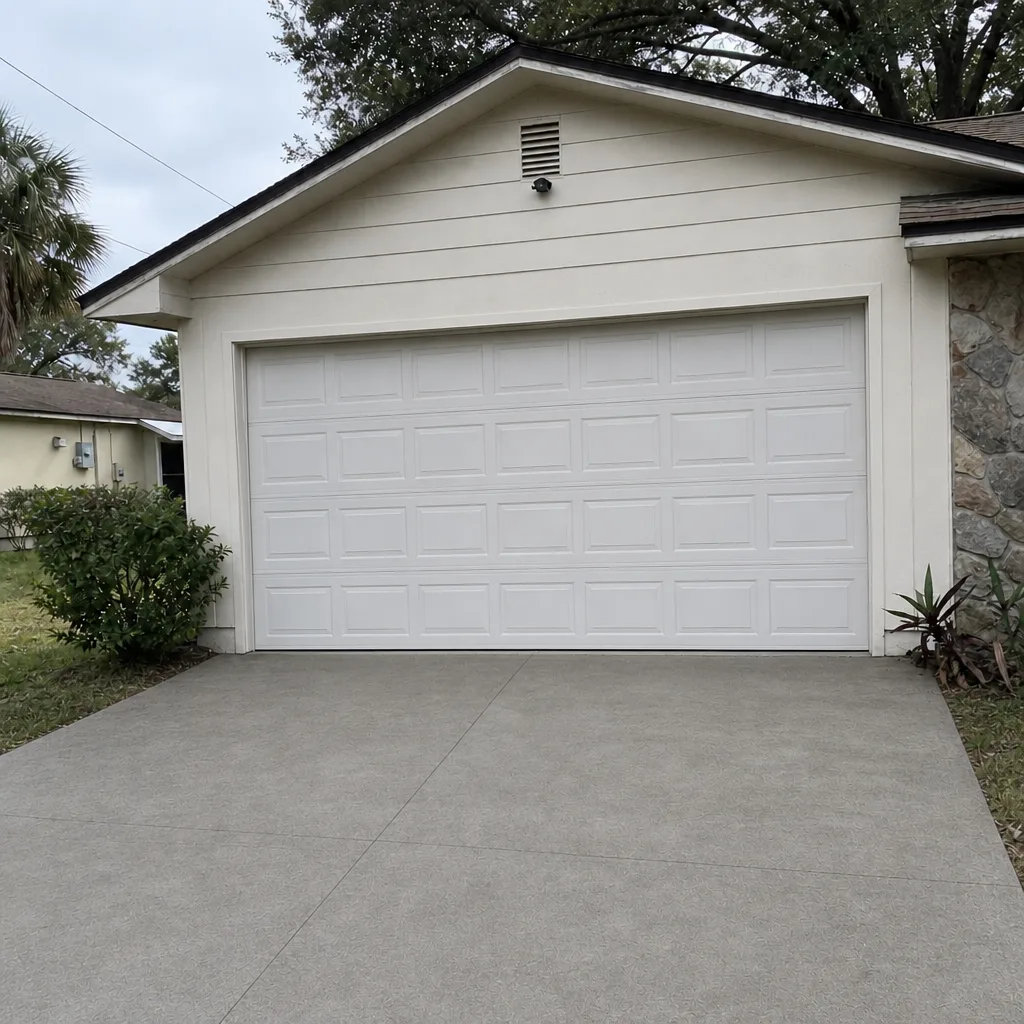
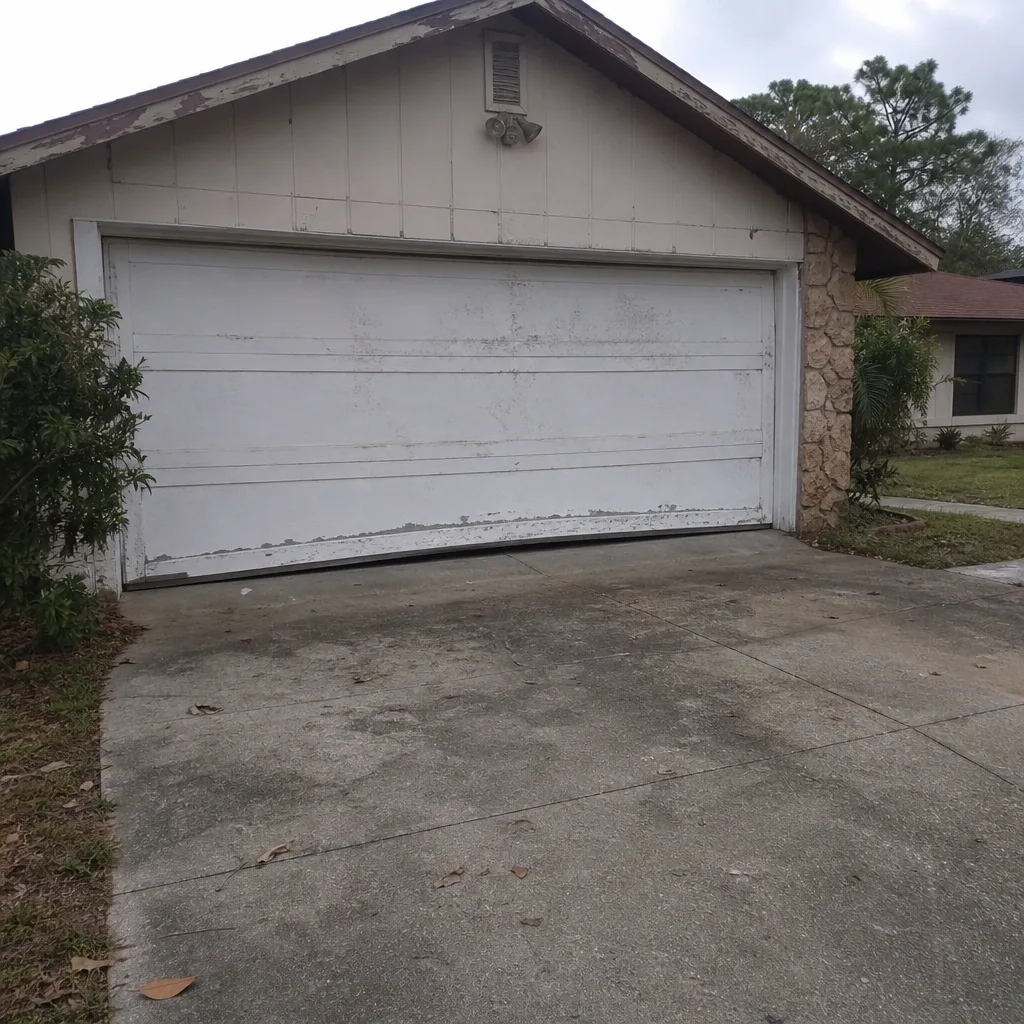
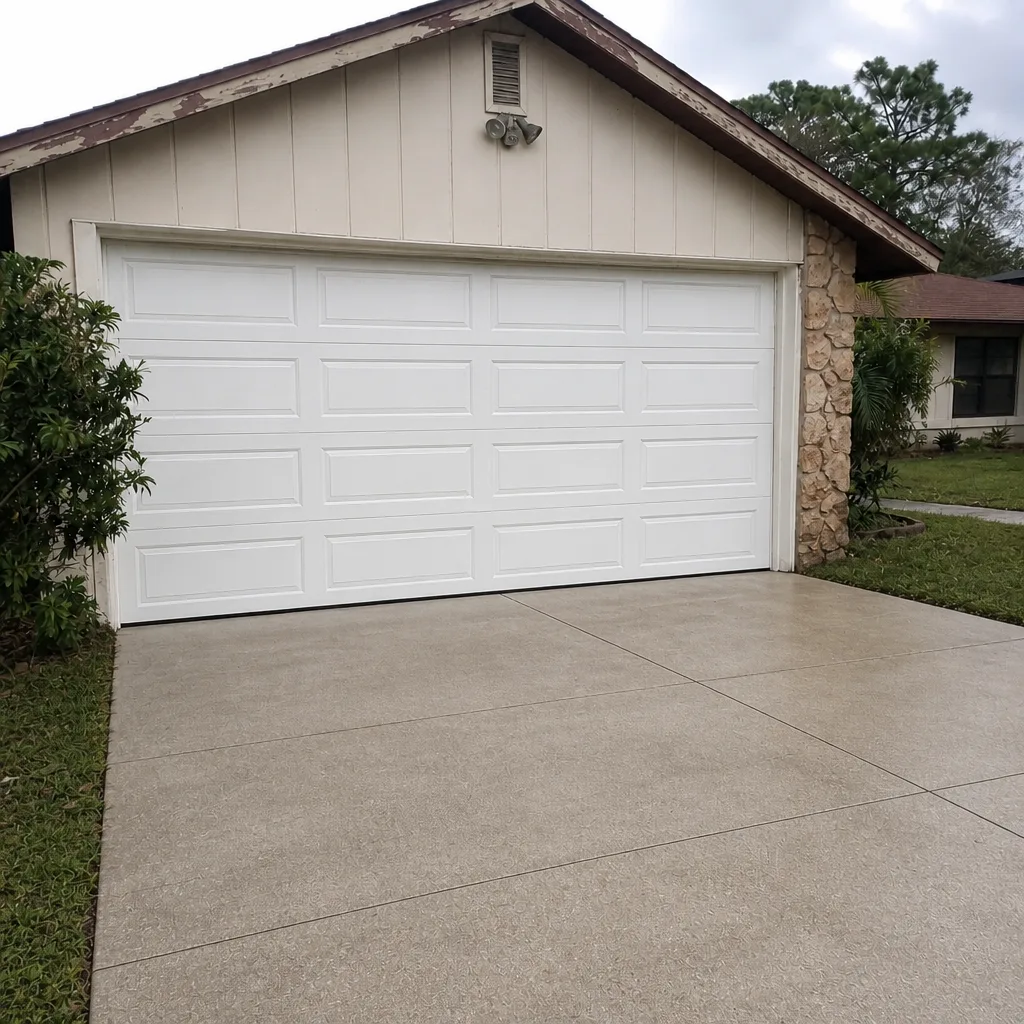
See the difference
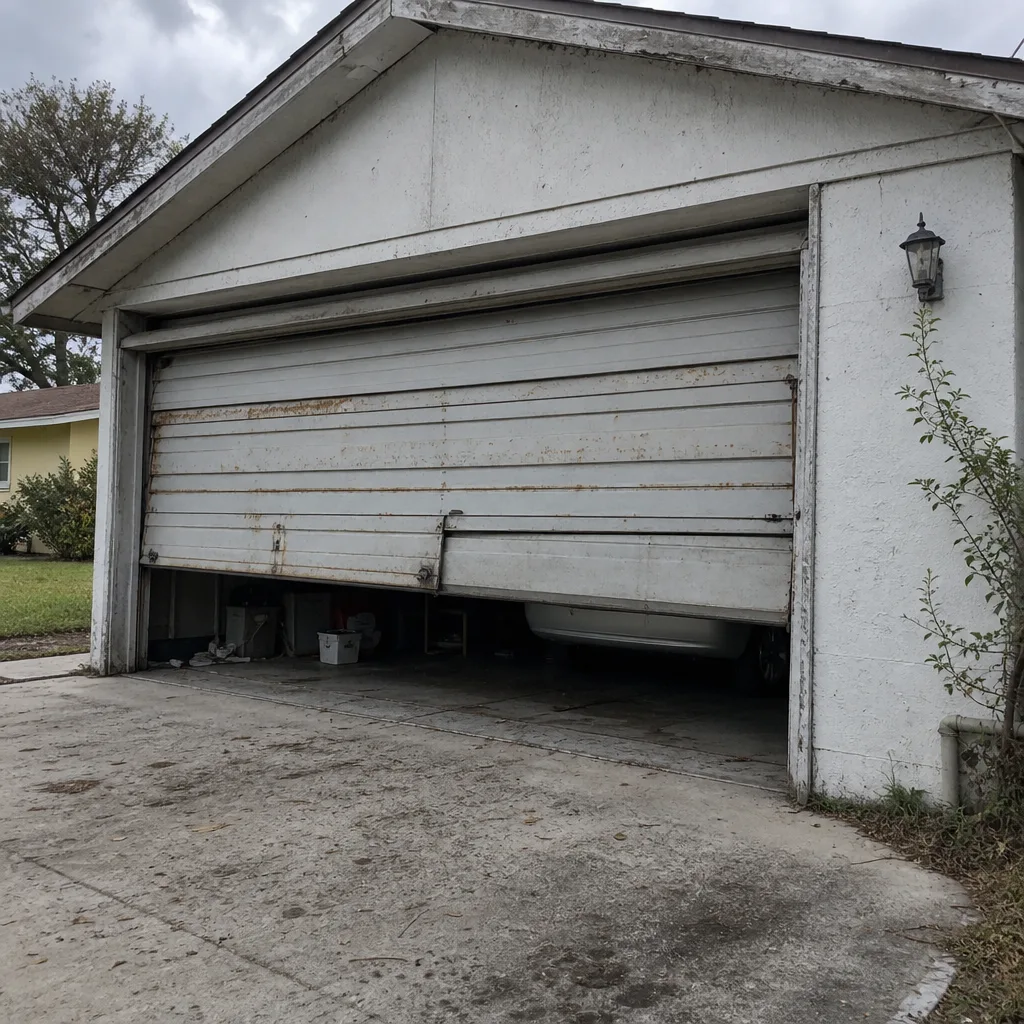 Before
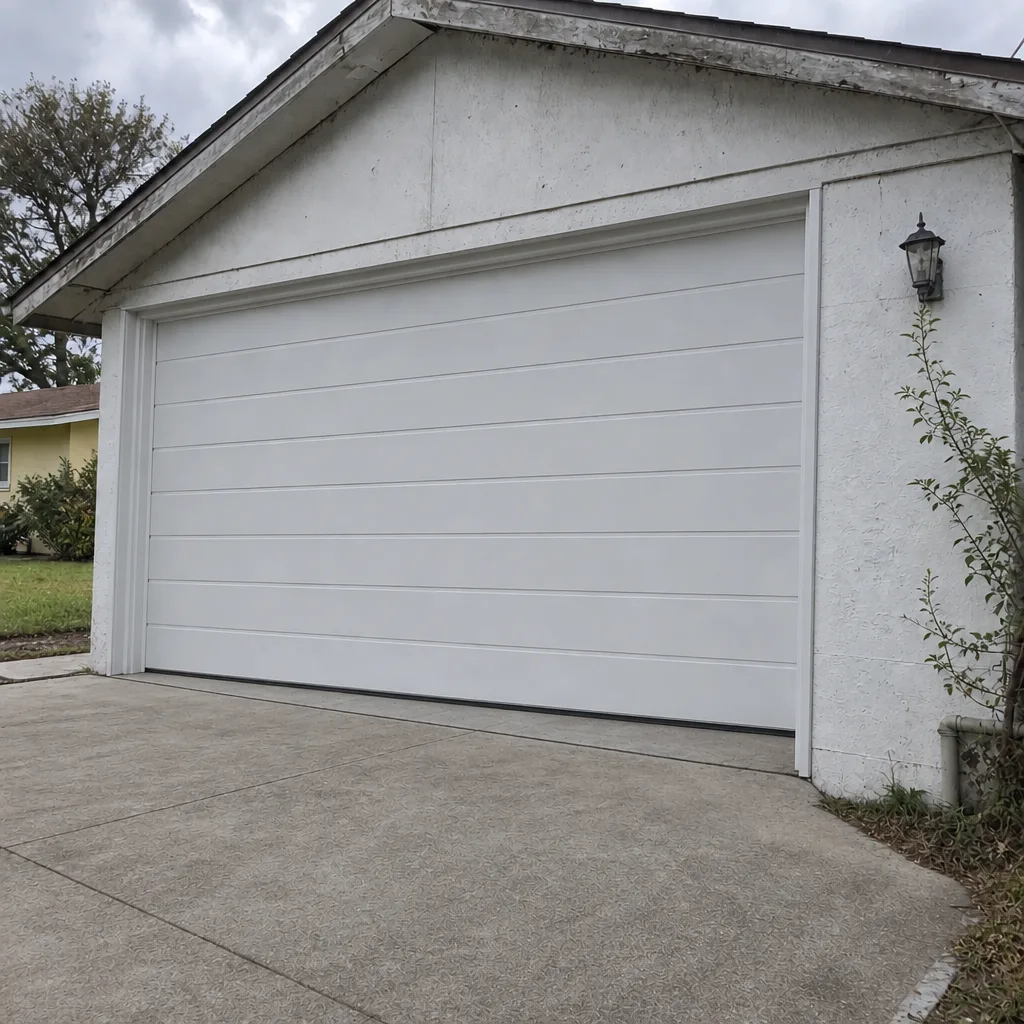 After
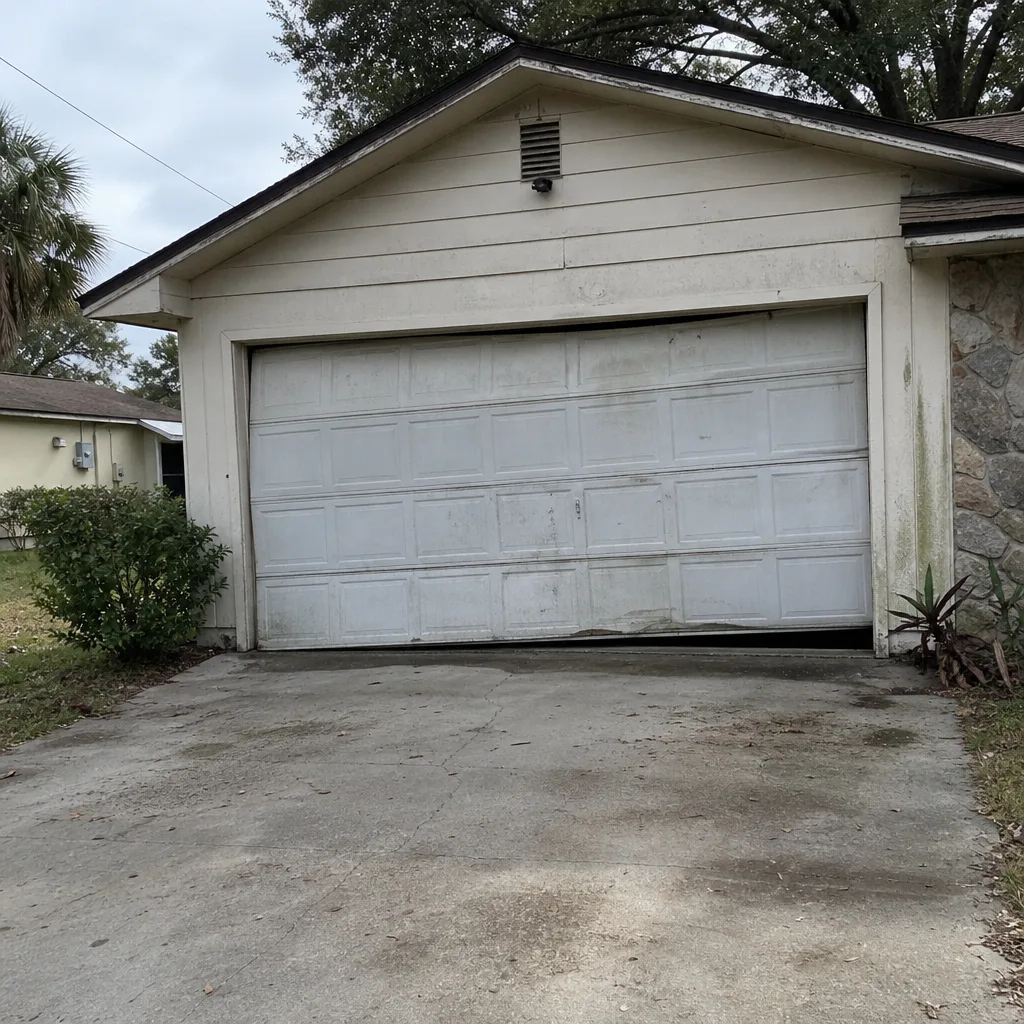 Before
 After
 Before
 After
When to Call a Professional
Call a professional for anything that involves the springs, cables, or the structural side of the door. Those components are under tension or carry the door’s weight, and getting them wrong is a safety issue, not a money-saving opportunity. Call when a door is binding or off-track, when the opener’s safety features test bad, when the door won’t close fully, and any time you’re planning a replacement and need the approval and permit handled correctly. If you’re in Largo and want a straight answer on whether your job is a repair or a permitted replacement, we’ll tell you before we touch the door. Largo Garage Door Repair offers free estimates in Largo, and we provide Largo Garage Door Repair services across repair, springs, openers, and installation. Our technicians have up to 15 years of experience, and we work on LiftMaster, Chamberlain, Genie, Clopay, Amarr, Wayne Dalton, Craftsman, and Raynor equipment. Call us and we’ll walk through the permit question on your specific address.
Frequently Asked Questions
In most cases, yes. A full garage door replacement in Largo is generally a permitting event, and the new door also needs to carry the right Florida Product Approval for the local wind requirements. Confirm with the City of Largo’s building department for your address before work starts. Call (866) 515-4679 for a free estimate that names the door model and its approval.
No, a straight repair like a broken spring, worn roller, frayed cable, or track repair generally does not need a permit. The permit threshold applies to replacement and structural work, not maintenance and repair. If you’re unsure which side of the line your job falls on, ask before work begins. Call (866) 515-4679 for a free estimate.
Florida Product Approval is the state’s system for verifying that a building product meets code requirements for its intended use, including wind resistance. For a garage door, it means the manufacturer has had the specific model tested and listed with an approval number. That number needs to match the door you actually install, not just the brand.
Ask for it in writing before you buy. The manufacturer’s documentation and Florida’s product approval database both carry the number, and it’s tied to the specific model and size. Check it before the door is ordered, because getting it after a failed inspection is much harder. Call (866) 515-4679 and we’ll help you confirm the model and approval before the order goes in.
It can create two problems. An insurer may question whether the door met the code requirements it was supposed to meet when a claim involves the door, and a seller may have a disclosure obligation at resale. It’s not automatically catastrophic, but it’s a delay and sometimes a cost. The permit itself is inexpensive; pulling it when the door goes in is the simple fix.
Usually not as a building permit item, though any new wiring, outlet, or circuit is electrical work with its own requirements. A replacement opener on the existing circuit is typically a straightforward swap, but the safety sensors and reversal function should always be tested after any opener work. Call (866) 515-4679 for a free estimate on opener repair or replacement.
The Bottom Line
In Largo, the permit question comes down to replacement versus repair. A new garage door is a permitting event with a Florida Product Approval requirement; fixing a spring or repairing a track generally isn’t. The permit is cheap and the process is straightforward, and the real risk lives on the skip-it side: an insurance claim that gets questioned and a resale that hits a disclosure snag. Get the door model and approval number in writing before you buy, keep the paperwork with your home records, test the safety features after any opener work, and leave the springs and cables to a trained technician. That path gets you a door that’s approved, documented, and easy to sell a house with.
Call (866) 515-4679 for a free estimate. We’ll confirm whether your job needs a permit, name the door model and approval on the quote, and give you a written price before any work starts.
Written by the team at Largo Garage Door Repair.