Last updated November 22, 2026
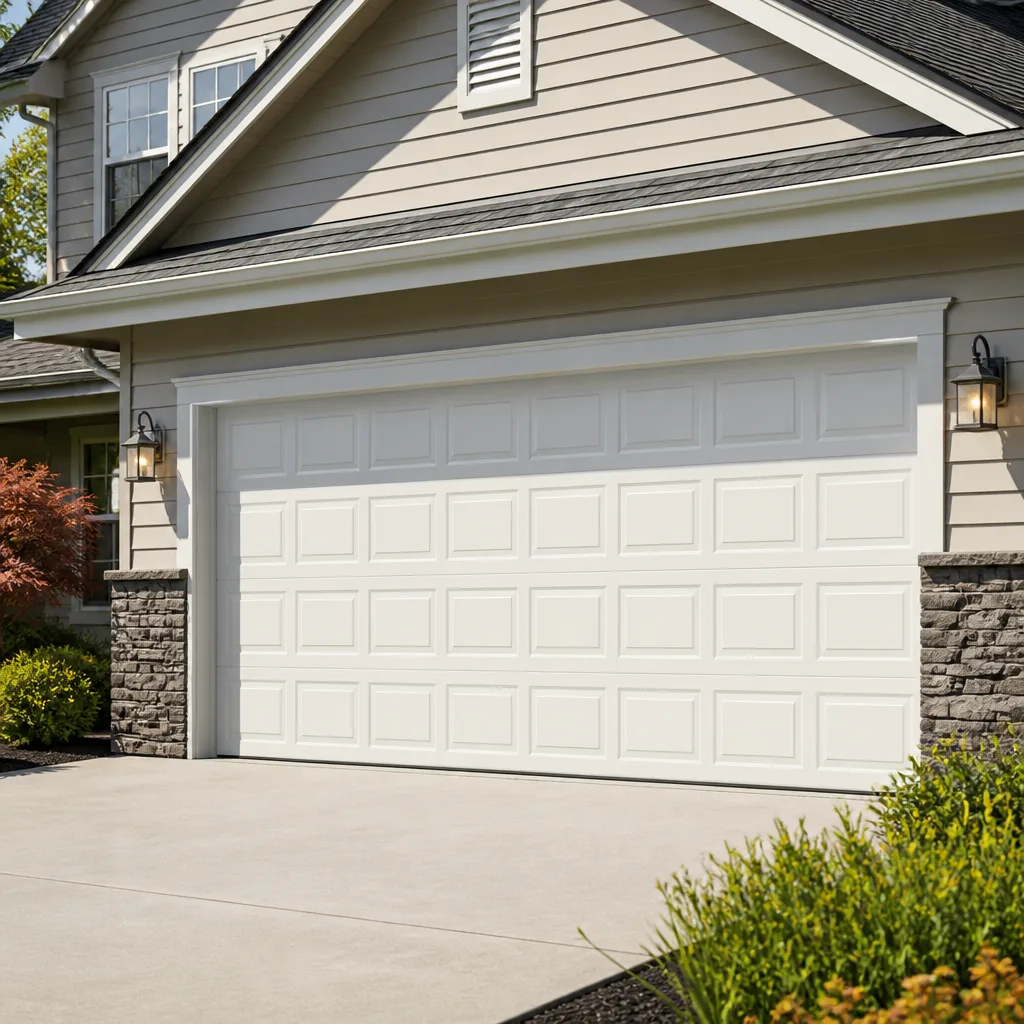 Raised-panel steel
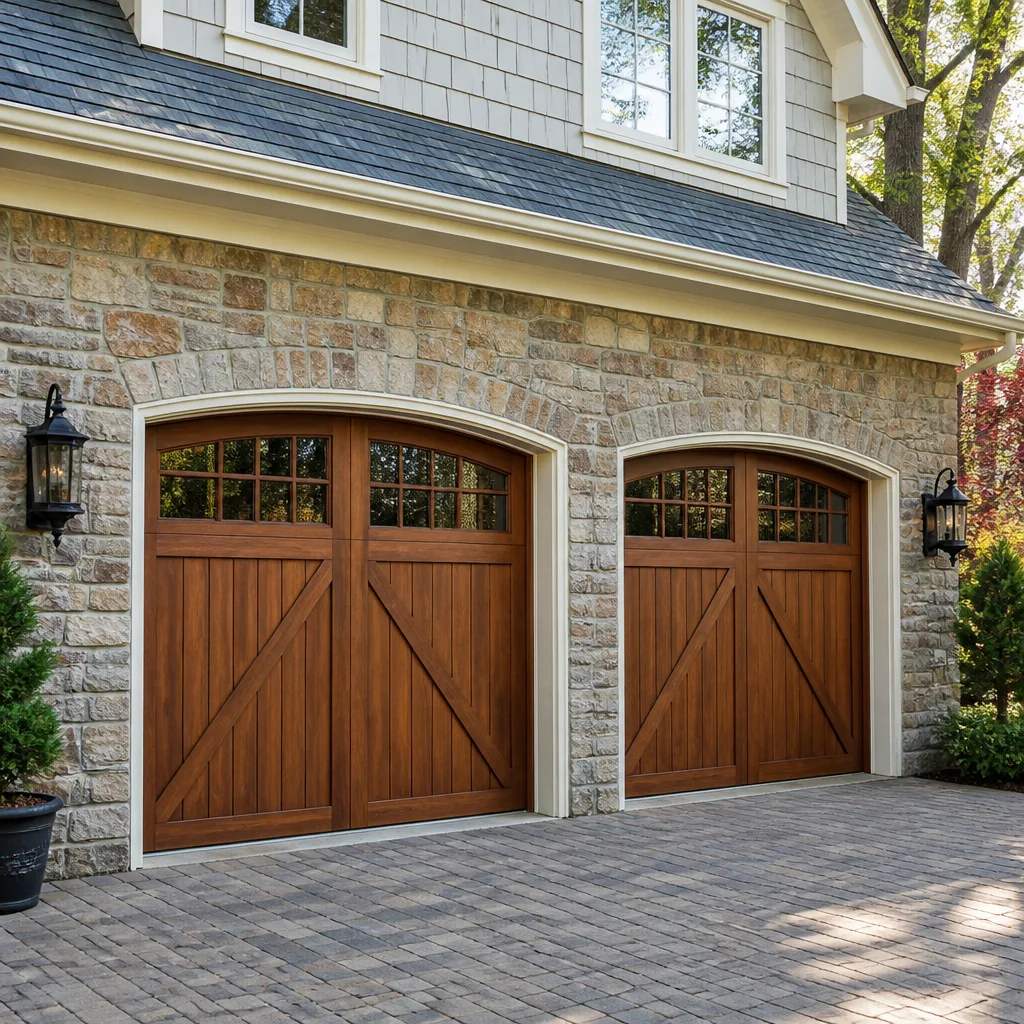 Carriage house
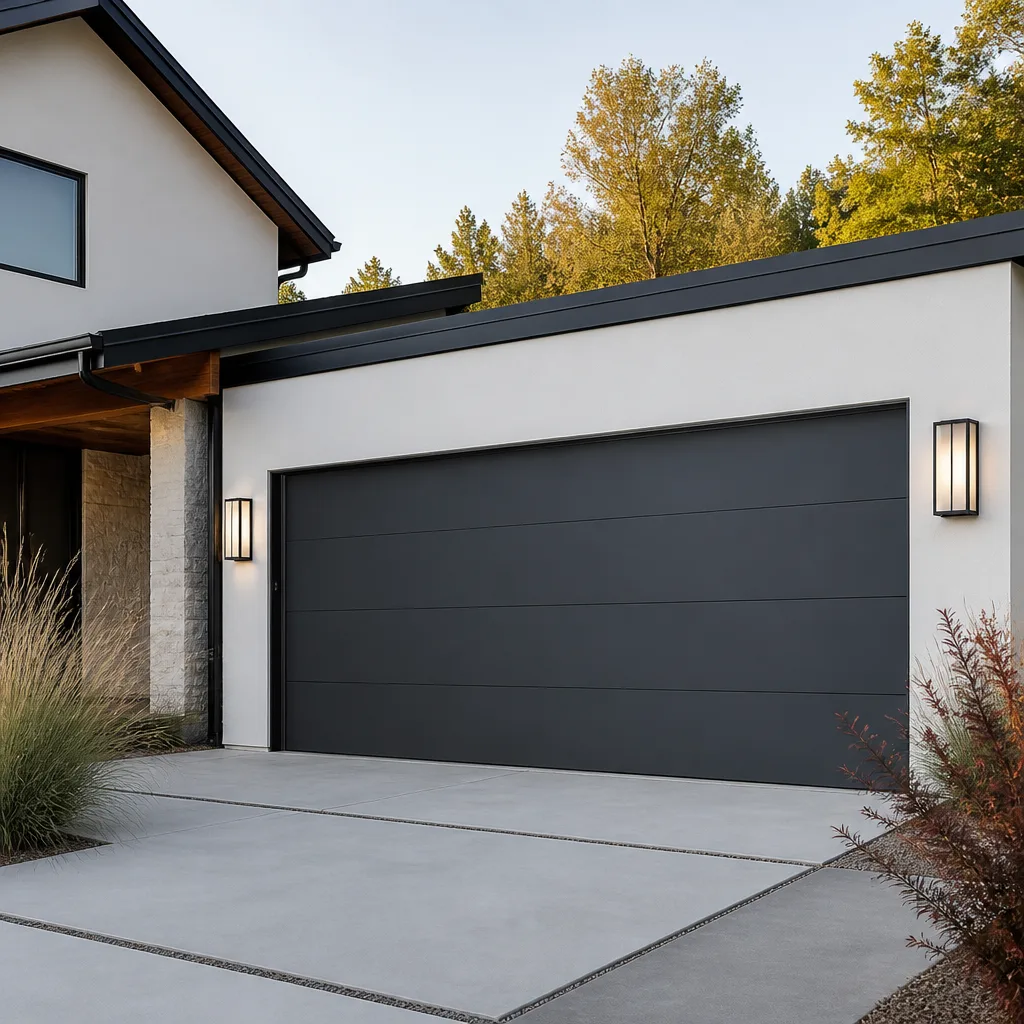 Modern flush
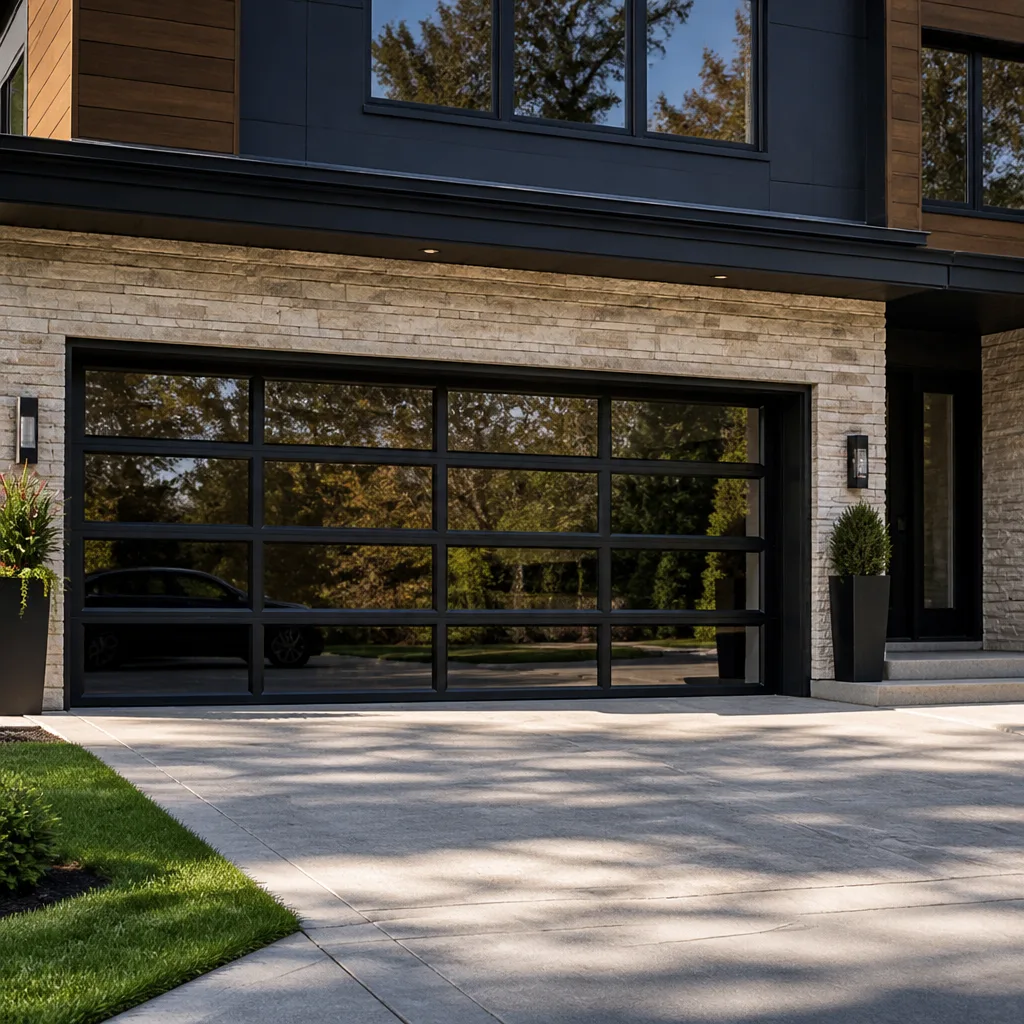 Full-view glass
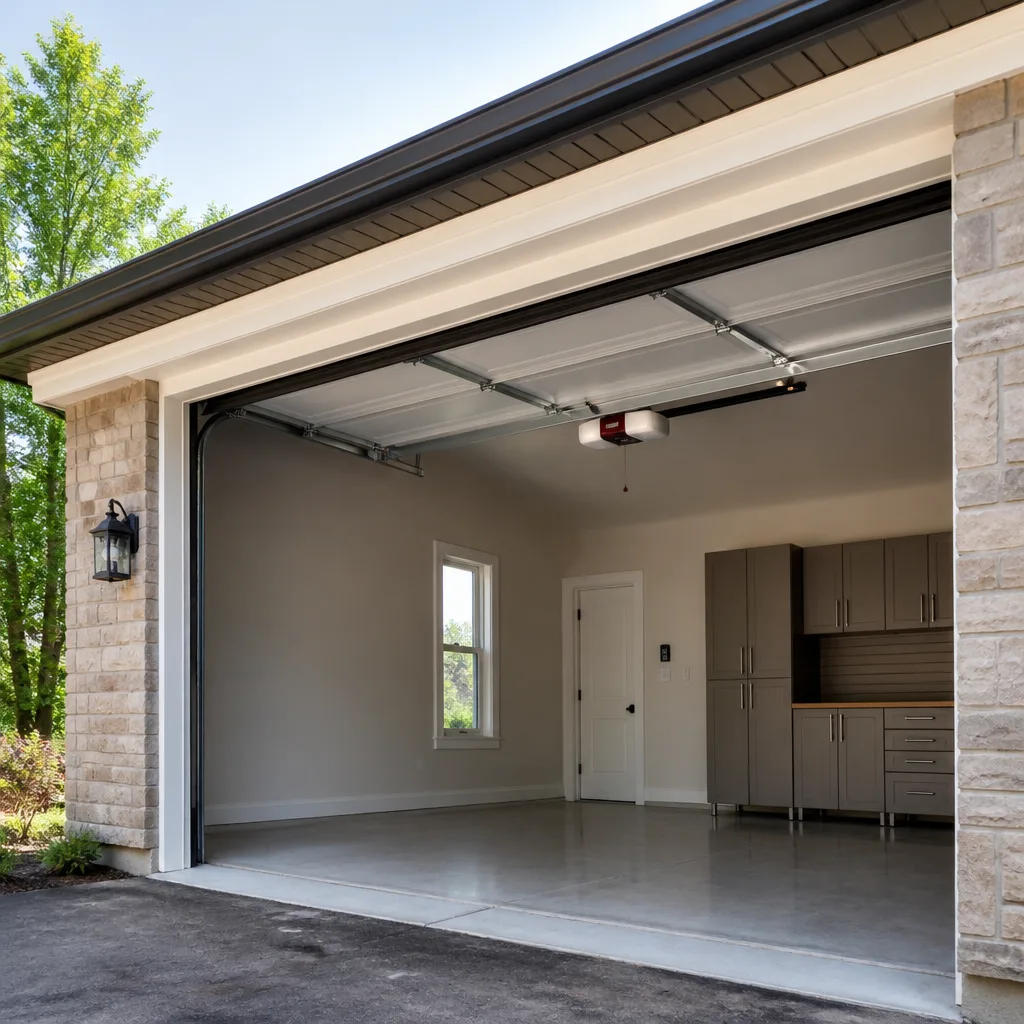 LiftMaster openers
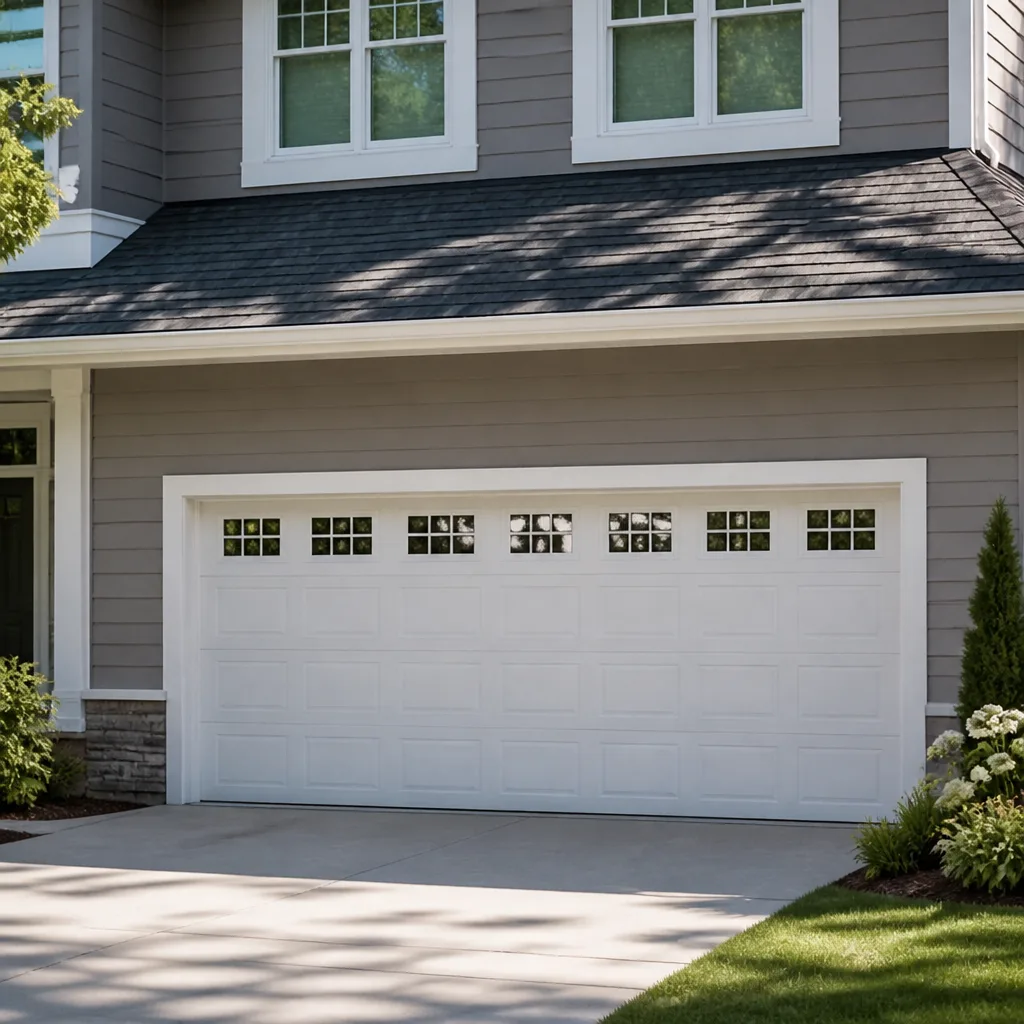 Chamberlain openers
Full 25-point door and opener safety check with every visit - springs, cables, rollers, tracks, and your LiftMaster or Chamberlain opener included
You get a price before we start. It does not change when the pro arrives.
Get your free estimateGarage Door Emergency Preparedness Guide for Largo Homes
The counterintuitive truth about garage door emergencies in Largo is that most homeowners prepare for the wrong event. They picture a spring snapping on a calm Tuesday and assume a quick call fixes it. In reality, the failures that leave a door hanging open or jammed shut tend to cluster around the same few days: the hours before a named storm makes landfall, the morning after a strong band of thunderstorms rolls through Pinellas County, and the week after either one when every technician in the area is booked out. Knowing what to do in the 24 to 72 hours before help arrives is what separates a manageable inconvenience from a week of a door you can’t secure. This guide walks you through exactly that, with the specific steps and small purchases that make a Largo home self-sufficient when the pros are slammed.
Quick Answer
A garage door emergency in Largo is best handled by first securing the opening (not the door mechanism), then disengaging the opener so the door can be moved by hand, and finally calling for professional help with your door’s brand and model ready. Manual release, temporary bracing, and a five-item under-$50 kit get most Largo homeowners safely through 48 hours until a technician arrives. Never force a door with suspected track or cable damage, and never attempt to replace a torsion spring yourself.
Styles & brands we work with
- Raised-panel steel
- Carriage house
- Modern flush
- Full-view glass
- LiftMaster openers
- Chamberlain openers
Table of Contents
- Why Largo Garage Door Emergencies Cluster Around Storms
- How to Manually Disengage and Re-engage Your Opener
- Temporary Securing Methods That Actually Work
- How to Assess Post-Storm Damage Yourself
- Emergency Contractor Triage: Getting Help Faster
- The 48-Hour Garage Emergency Kit Under $50
- Re-engaging Your Door Safely After the Crisis
- Ongoing Preparedness for Largo Homes
Why Largo Garage Door Emergencies Cluster Around Storms
Largo sits in a part of Pinellas County that gets its share of heavy summer thunderstorms and the occasional tropical system. Those events don’t just bring wind and rain. They bring pressure changes, power flickers, and the kind of sideways rain that finds its way under a poorly sealed bottom weatherstrip. Any of those can trip a door that was already on the edge of failure.
The bigger issue for Largo homeowners is timing. When a storm knocks out power across a swath of the county, every garage door on the block that depends on an electric opener suddenly can’t be opened. At the same time, every local garage door technician is fielding calls from the same neighborhoods. That combination – widespread failure plus overwhelming demand – is what turns a routine repair into a multi-day problem. After a major weather event, some Pinellas County homeowners have waited four days for a contractor to reach them.
Understanding the mechanics helps you plan. A garage door is a balanced system of springs, cables, tracks, and rollers working against gravity. When power drops, the opener stops holding the door, but the springs still do their job. That means a door that was working fine on Sunday can be opened by hand on Monday if you know the manual release procedure – and that’s what this guide is built around. The sections below walk through the manual release first, because it’s the single skill most likely to matter in the first hour of an outage.
What makes Largo different from inland Florida
Pinellas County’s density means neighbors are close, streets are busy, and a door left open overnight is visible from the road. That’s a practical security consideration when you’re managing an outage. It also means a working manual release plus a way to secure the door from the inside is often enough to get through the night safely.
How to Manually Disengage and Re-engage Your Opener
Every residential garage door opener sold in the US – LiftMaster, Chamberlain, Genie, Craftsman, and the rest – has a manual release. The mechanism varies, but the idea is the same across all of them. A pull cord or lever disconnects the door from the opener’s carriage so the door moves freely on its tracks. Knowing how yours works before an outage is the whole game.
To disengage the opener (do this only when the door is fully closed)
- Confirm the door is completely down. If it’s partly open, close it with the wall button while power is still on.
- Locate the release. It’s usually a red cord with a handle hanging from the opener rail, but some Genie and older Chamberlain units use a lever on the carriage or a cord mounted near the door.
- Pull the cord straight down and toward the door (in the direction the door is going to move). Don’t yank at an angle – an angled pull can jam the carriage.
- Test the door by lifting it about a foot by hand. If it moves smoothly and stays put when you let go, it’s disengaged and safe to operate manually.
What not to do
Don’t disengage the opener if you suspect track or cable damage. A door that has come off its track under tension can slam down with dangerous force the moment it’s disconnected. If the door is crooked, has a visible cable hanging loose, or makes a scraping sound when it starts to move, stop and call a professional. Torsion springs and the cables that run alongside them are under extreme tension, and a failure with the door disengaged is how serious injuries happen. Largo Garage Door Repair’s garage door spring repair team handles those failures regularly, and none of them are DIY territory.
To re-engage after power returns
- Lower the door to the fully closed position by hand.
- Pull the release cord again (or press the carriage back in, depending on your model) until it clicks into the engaged position.
- Run the opener once with the wall button and watch the door. If it stops early or reverses, recheck the re-engagement before pressing again.
- If the door behaves normally, you’re back to electric operation. If it doesn’t, call for garage door opener repair rather than repeatedly forcing it.
Temporary Securing Methods That Actually Work
When a storm-damaged door won’t close all the way, the priority is securing the opening. Not the mechanism – the opening. A gap at the bottom of the door is a security hole and a water intrusion point, and in Largo during hurricane season, both matter at once.
Methods that work
- Vise grips on the track. Clamp a pair of locking pliers onto the vertical track just above a roller so the door physically can’t be raised. Do this on both sides. It’s the fastest way to hold a door in a closed or nearly closed position.
- C-clamps above the bottom roller. Similar idea, and often easier if the track is wet or slick.
- Door wedges or rolled towels at the bottom. Stop wind-driven rain from pushing under a small gap while you wait for a proper fix.
- Interior bracing against the door. A length of 2×4 cut to fit diagonally from the floor to a wall stud can hold a door in place if the opener has failed and the door won’t stay down on its own. It’s not a substitute for a proper repair, but it stops the door from flipping up in wind.
Methods that create a false sense of security
Duct tape across a gap does nothing structural and gives you a false impression the door is sealed. A rope tied around the door handle stops nothing; it just looks like it does. Anything that relies on the door’s own springs and cables to hold position while the opener is out of the picture is one component away from failing. If you can see daylight under the door after a storm, the door is open, and no amount of tape changes that.
When to board up instead
If the door is visibly off its track, has a broken torsion spring, or has lost a panel, boarding up is the honest answer. A sheet of plywood screwed over the opening from the inside is safer than trying to run a door that has already failed. Save the door itself for a professional. If you’re unsure, the fastest way to know is a call – and Largo Garage Door Repair offers free estimates in Largo for exactly this kind of assessment.
How to Assess Post-Storm Damage Yourself
Before you call anyone, you can do a visual assessment in about three minutes that will tell you whether the door is a “secure it and wait” situation or a “don’t use this door” situation. This matters because a proper triage on your end moves you up the queue faster than a vague “my door is broken” call. The trained eye is looking for three things: alignment, tension, and hardware.
Cosmetic damage (usually)
- Dents or dings in a panel without any change to how the door moves
- Scuffed paint or a scratched window
- A bent hinge that doesn’t affect the roller
- Minor weatherstrip damage at the bottom or sides
Functional damage (needs repair, door may still work)
- A door that runs but stops partway or reverses unexpectedly
- A roller that has popped out of its track but the door still sits level
- A bent section that causes a scraping sound on one side
- Opener that runs but the door doesn’t move (carriage or release issue)
“Don’t use this door” safety conditions
- A snapped torsion spring (you’ll hear a loud bang, and the door won’t lift)
- A cable that has come loose or is visibly frayed
- The door is visibly crooked or tilted in the opening
- A gap between the door and the track that wasn’t there before
- Visible damage to the springs themselves – rust, distortion, or a missing winding bar cap
If any of the last list applies, stop operating the door entirely. Not with the opener, not by hand, not to check. Call for garage door repair, and if you need help after hours or on a weekend, say so – Largo Garage Door Repair offers emergency service, and spring failures in particular get priority.
Emergency Contractor Triage: Getting Help Faster
The single biggest factor in how long a Largo homeowner waits for service after a storm is not the size of the contractor – it’s how the call is handled on the front end. When a surge of calls comes in, the dispatcher has to sort quickly. Calls with specific information move up. Vague calls get a callback. Here’s what to have ready before you dial.
Information to have ready before you call
- Your door’s brand. Clopay and Amarr are the two most common in Pinellas County residential installations, but LiftMaster and Chamberlain dominate on the opener side. Saying “I have a LiftMaster opener” is more useful than “I have a garage door.”
- The make and model of your opener if you can see the label on the unit or the back of the wall button. Model numbers narrow the diagnosis.
- Door type: single or double, sectional or one-piece, insulated or not. This affects whether a spring replacement needs a specific part.
- Exact symptom, in plain language. “Door won’t lift, makes a grinding sound, opener hums but nothing moves” gives a technician more than “it’s broken.”
- Whether the door is currently stuck open, stuck closed, or somewhere in between. Stuck open in Largo after a storm is a security issue and often escalates the call.
- Any visible cable, spring, or track damage. Even “I’m not sure” is a useful answer – it tells the technician to bring a wider set of tools.
How to spot a legitimate emergency contractor from an opportunist
Storm surges bring out both the good actors and the ones who show up with a clipboard and a cash offer. A few tells matter in Largo:
- A legitimate company quotes before work. You get a written price before anyone touches your door. “We’ll figure it out after” is not an estimate.
- They ask about your existing system. A reputable technician wants to know your brand and model because the fix depends on it. A one-size-fits-all pitch with no questions is a red flag.
- They can explain the failure. If the technician can’t tell you why the door failed in plain language, they’re guessing. You should know exactly what’s wrong before any work starts.
- They don’t push a full replacement for a repair-sized problem. A single broken spring is a spring repair. A single damaged panel is a panel replacement. Full installation is the right answer in specific cases and shouldn’t be the default.
- They work with your insurer if applicable.
The 48-Hour Garage Emergency Kit Under $50
Small money, big payoff. Five items kept in a labeled box on a shelf near the garage door will get a Largo home through the first 48 hours after a door failure without needing to leave the house or find a hardware store in a surge market. Total cost is under $50 if you buy mid-range versions.
- A pair of locking pliers (vise grips). Two pairs is better. These hold the door on the track when it won’t stay down. About $15 for two.
- A flashlight with fresh batteries, plus a headlamp. Garage interiors after dark are hard to inspect otherwise. About $12.
- A roll of heavy-duty duct tape and a length of paracord. Tape seals a bottom gap against wind-driven rain; cord handles miscellaneous. Under $10.
- Work gloves. Track and cable edges are sharp, and you’ll be working in the dark or with wet hands. About $8.
- A printed card with your door make, model, and our number. When the power is out and your phone is at 4%, you’ll be glad it’s on paper. Free.
Two optional additions if you have a little more room in the budget: a sheet of plywood cut to fit your door opening for board-up situations, and a battery backup opener if your unit supports one (LiftMaster and Chamberlain both make battery backup models that work during outages). Battery backup is the one upgrade that changes the entire calculation – it means a power outage alone doesn’t disconnect the door from the opener.
Re-engaging Your Door Safely After the Crisis
Once the storm has passed and you’re ready to put the door back into service, take it slowly. A door that’s been manually operated, clamped, or braced for a couple of days has seen some stress. Re-engaging should be a deliberate process, not a quick button press.
- Remove any bracing or clamps first. Don’t re-engage the opener while the track is clamped or the door is braced. Release the pliers, remove the 2×4, clear the area around the door’s path.
- Inspect the track visually. Look for dents, bends, or anything holding a roller at an angle. If the track is damaged, don’t re-engage.
- Test the door by hand. Lift it about halfway and let go. A healthy door will stay roughly where you put it. A door that falls or rises on its own has a balance problem – don’t run the opener on it.
- Re-engage the carriage. Pull the release cord again or press the carriage back in until it clicks. Confirm the door is fully closed first.
- Run the opener once and watch. The door should travel smoothly to the top and back down. Any hesitation, grinding, or reversing means call for service.
If the opener is a connected smart unit – most newer LiftMaster and Chamberlain models are – check the app after the first successful cycle. Cycle counts and error codes in the app can flag a problem before it becomes a failure. For anything that doesn’t feel right, call for garage door opener repair before you rely on the door again.
Ongoing Preparedness for Largo Homes
Preparedness for Largo homeowners is less about buying gear and more about a few small habits that catch friction before it becomes a failure. The best time to do them is now, on a calm day, before the next storm takes out the power.
- Test the manual release once a year. Pull the cord, lift the door by hand, re-engage. If the door doesn’t lift smoothly by hand, the springs are failing and the DIY window is closed – call for garage door spring repair before it snaps.
- Lubricate hinges, rollers, and the spring once a year with a proper garage-door lubricant. Not WD-40; a spray silicone or white lithium works. Skip the tracks – they should stay clean and dry.
- Schedule a pre-season tune-up. A spring, cable, and balance check in late spring or early summer puts your door in the best position before the busy months. Largo Garage Door Repair can handle the whole check on a single visit.
- Consider a battery backup opener. If your opener is more than about eight years old and doesn’t have backup, the next replacement cycle is a good time to add it. The Largo Garage Door Repair team services LiftMaster, Chamberlain, Genie, Clopay, Amarr, Wayne Dalton, Craftsman, and Raynor, so whichever brand you own, there’s a path to backup.
- Note the door’s make and model on the inside of the garage wall. A small label near the opener saves ten minutes of searching during every future service call.
None of these take more than a few minutes. Together, they’re the difference between a door that’s ready for a storm season and a door that’s waiting for one.
Common Mistakes to Avoid
- Forcing the door when it’s off-track. A door that’s come off its track under spring tension can slam shut the moment it’s forced. If it’s crooked, stop and call.
- Pulling the manual release cord while the door is up. Disengaging the opener with the door raised can let it drop hard on whatever is underneath. Always disengage with the door fully closed.
- Taping a gap and calling it sealed. Duct tape across a visible gap does not stop a determined storm or a determined person. Board up or fix properly.
- Trying to replace a torsion spring yourself. The springs are under extreme tension and can cause serious injury in a second. This is not a task for a homeowner in Largo or anywhere else.
- Calling a storm-chasing contractor with no local presence. If they want cash up front before quoting, or can’t tell you what’s wrong in plain language, walk away.
- Assuming a repair is a replacement. A broken spring or a single damaged panel is often a repair – a full replacement is a bigger decision. Be wary of any diagnosis that skips straight to replacement.
- Re-engaging the door without testing it by hand first. The opener’s motor is stronger than your hand and will drag a poorly balanced door up the track, hiding the problem until the next failure.
See the difference
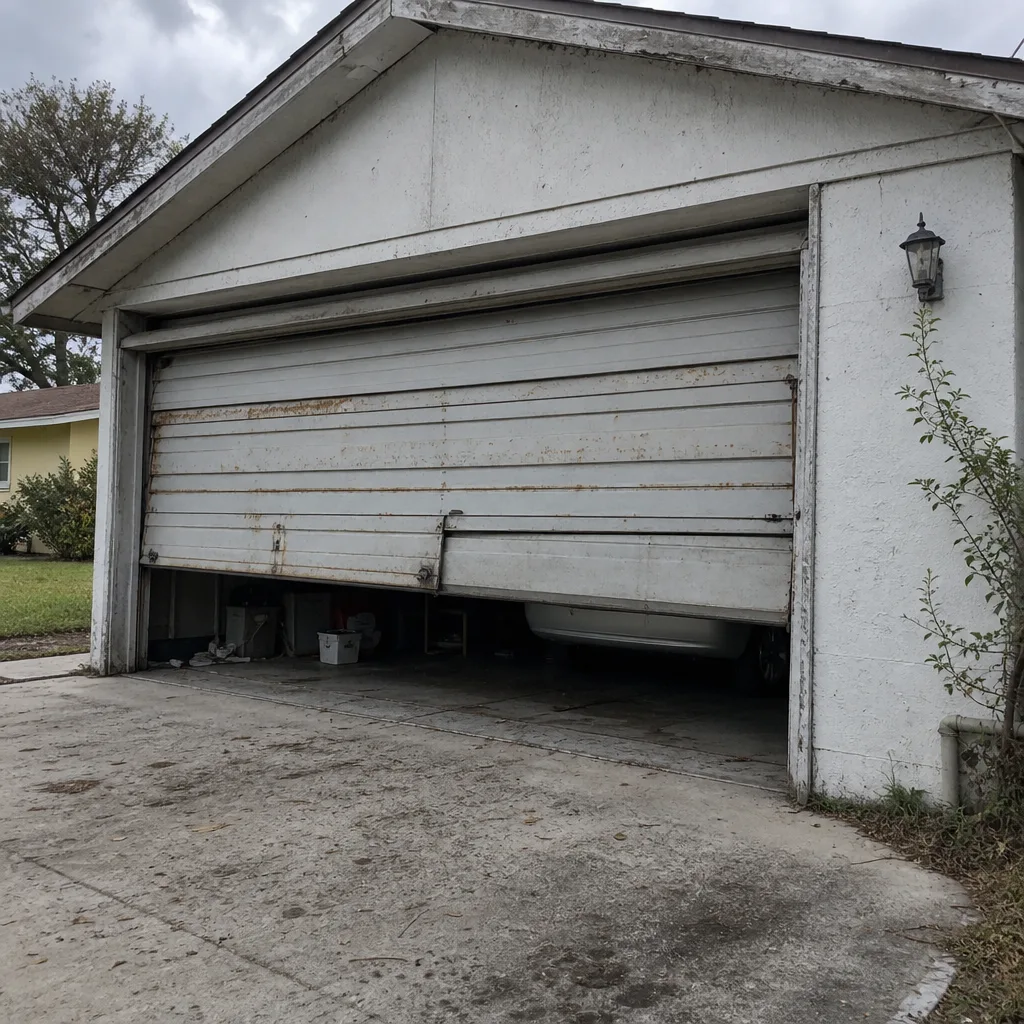 Before
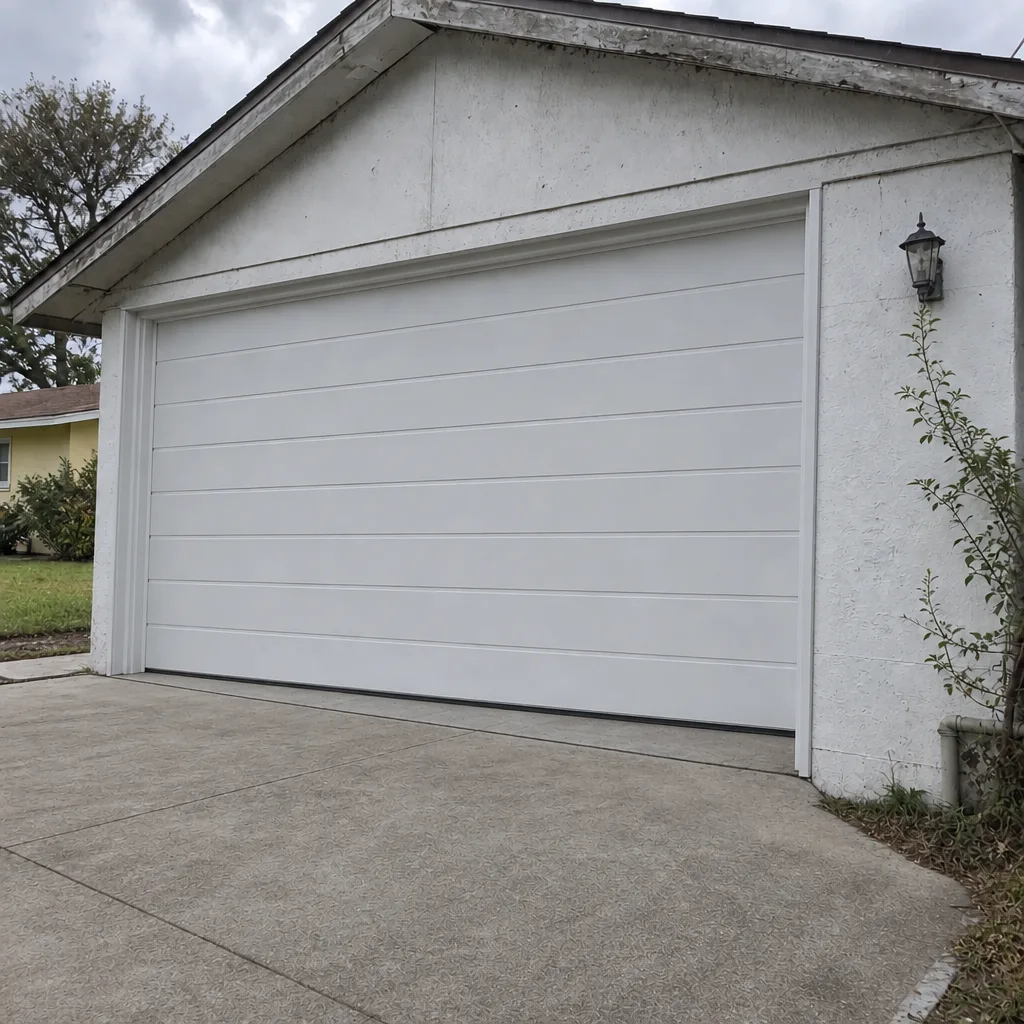 After
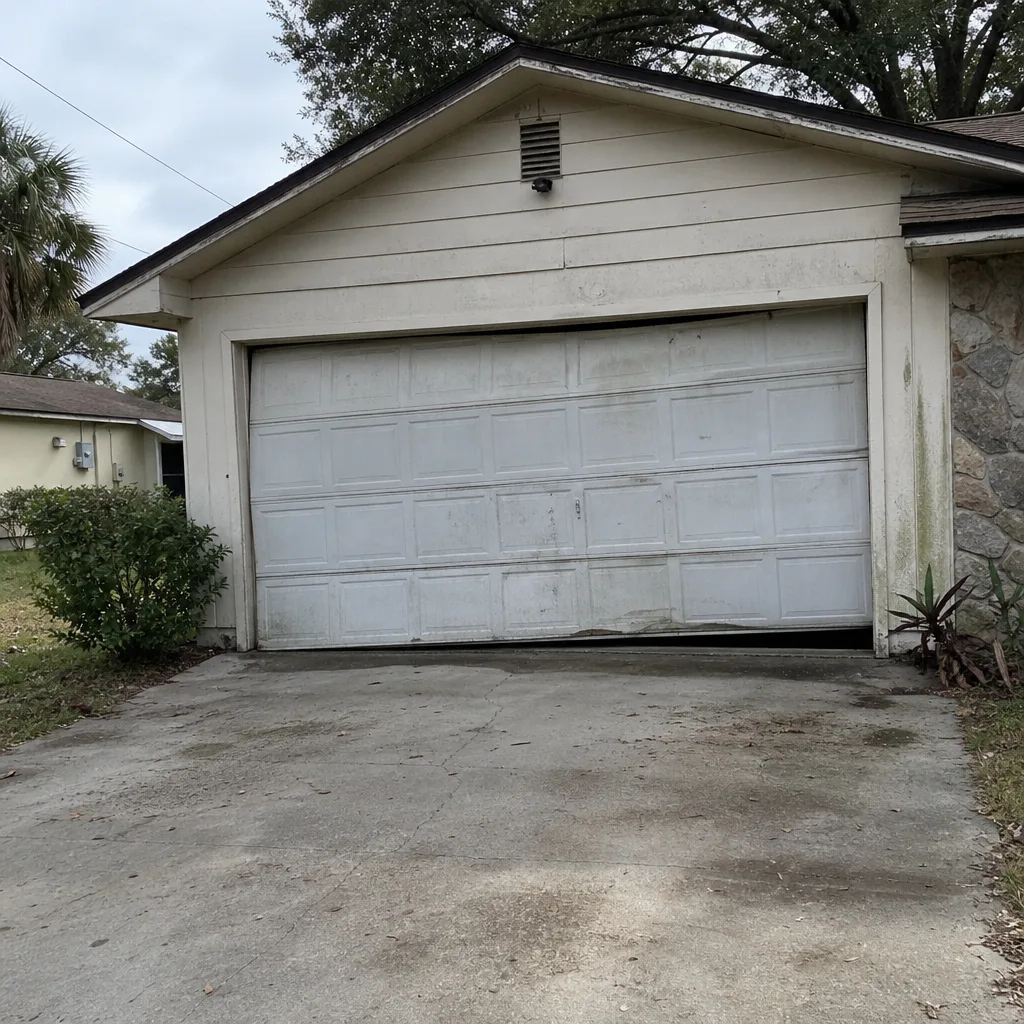 Before
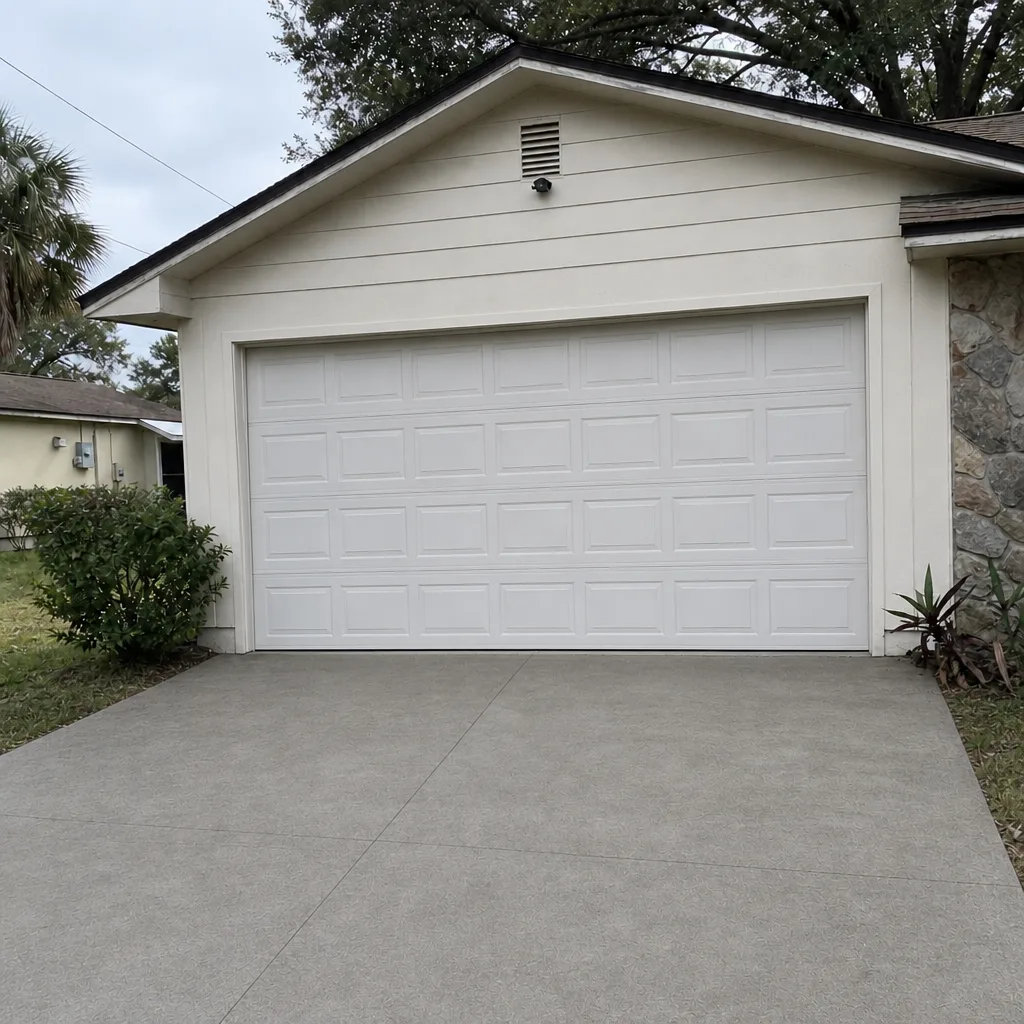 After
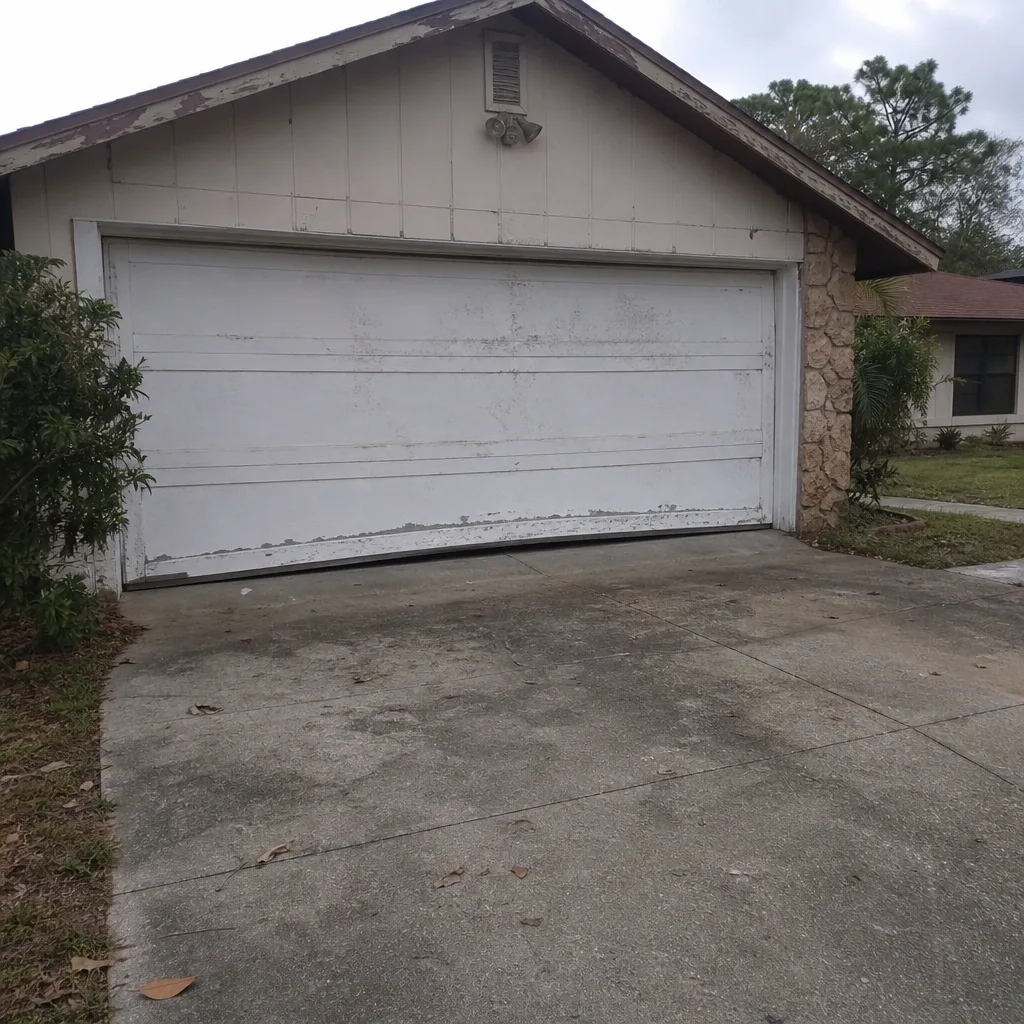 Before
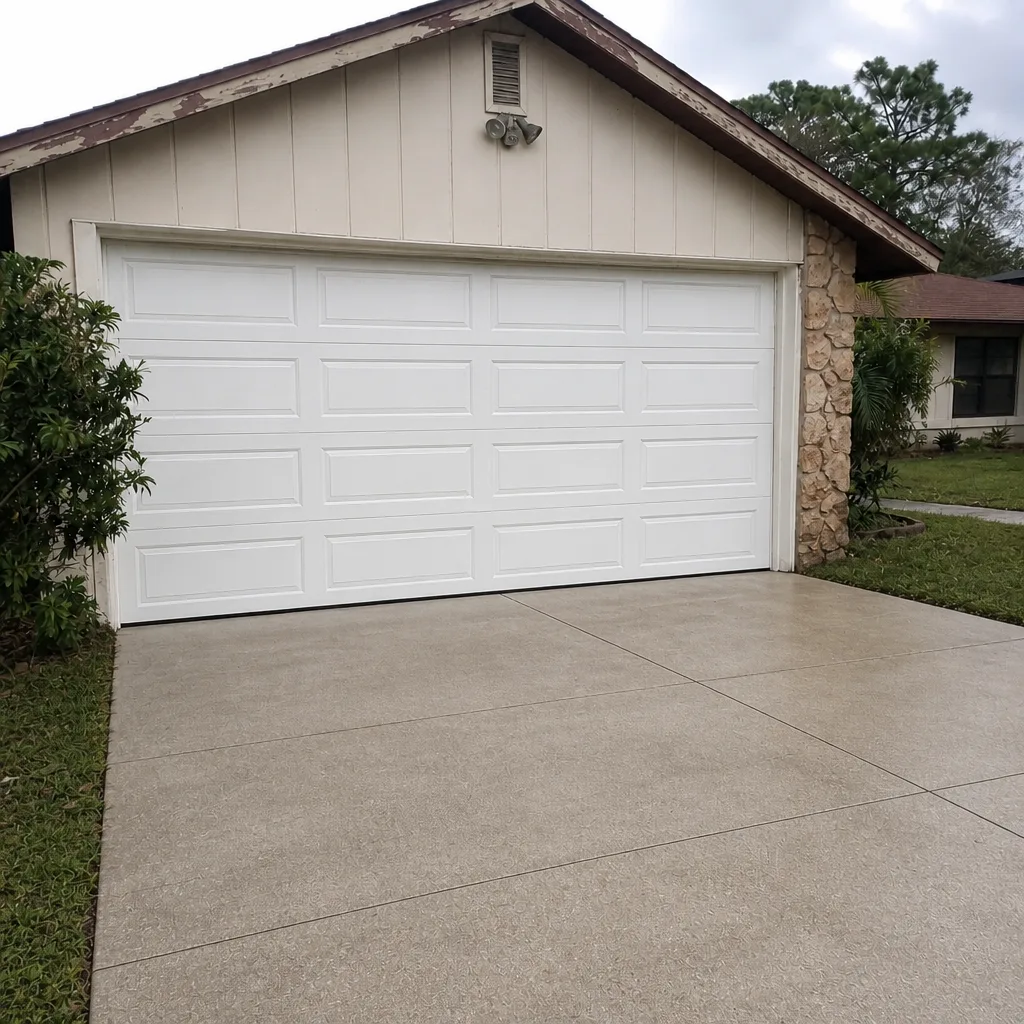 After
When to Call a Professional
Call a professional the moment any of the following applies: a broken spring, a cable that has come loose or looks frayed, a door that’s visibly off its track or crooked, an opener that hums but won’t move the door, or a door that reverses on its own during a cycle. Those are the failures where forcing the issue is more dangerous than waiting. Storm-window urgency – a door stuck open after dark, a door that won’t close in the middle of a rain band, an opener that died during a power flicker and won’t come back – is exactly what emergency service is for. Largo Garage Door Repair offers free estimates in Largo – call (866) 515-4679 and have your door’s brand and model ready.
Frequently Asked Questions
Yes, if the door is fully closed and undamaged, you can disengage the opener with the red release cord (or lever, depending on your model) and lift the door by hand. Never do this if the door is crooked, off-track, or has visible cable damage. If the door doesn’t lift smoothly by hand, stop – the springs are failing, and the door should be serviced before use.
First, secure the opening: clamp locking pliers on the tracks above the bottom rollers to hold the door down, or brace it from the inside if the opener has failed. Then call for emergency garage door service and describe the visible damage – spring, cable, track, or panel. Don’t repeatedly run the opener hoping it catches – that can turn a small repair into a larger one.
Wait times vary with demand, which spikes after named storms and strong thunderstorm bands. In our experience, calls with specific door and opener information move faster, and a door stuck open gets priority. Call early, have your brand and model ready, and use the temporary securing methods in this guide to bridge the gap safely.
The local professional we connect you with is licensed and insured as their state requires. Our technicians have up to 15 years of experience across brands including LiftMaster, Chamberlain, Genie, and Clopay. Ask for the written quote before work starts so you know the price up front. Call (866) 515-4679 to book an estimate, which is free.
No – the price is quoted and agreed before any work starts, and the written estimate is the price. The one honest exception is when hidden damage surfaces during a repair (for example, a track issue behind an otherwise simple spring failure), and even then, you approve the additional work before we proceed. Call (866) 515-4679 for an exact quote; estimates are free.
Yes, boarding up from the inside is a reasonable temporary fix if the door is off-track, has a broken spring, or has lost a panel. Screw a sheet of plywood over the opening from the inside; don’t try to run the door itself. Then call for a proper repair. If you’re not sure whether the door is safe to leave in place, call (866) 515-4679 for a free assessment.
The Bottom Line
Garage door emergencies in Largo cluster around storms, and the homes that come through those windows best are the ones that learned the manual release, kept a small kit on the shelf, and knew the difference between cosmetic and “don’t touch that door” damage. You now have all three. The one thing we’d add: call before the next storm, not during it. A pre-season check catches a failing spring or a worn cable while there’s still time to schedule a fix, and it puts a technician on your side of the ledger when the busy season starts. For a free estimate on a repair, an opener check, or a full installation, call Largo Garage Door Repair at (866) 515-4679. We’ll tell you exactly what’s wrong before we touch it, and the price is agreed before any work starts.
Written by the team at Largo Garage Door Repair.