Last updated November 22, 2026
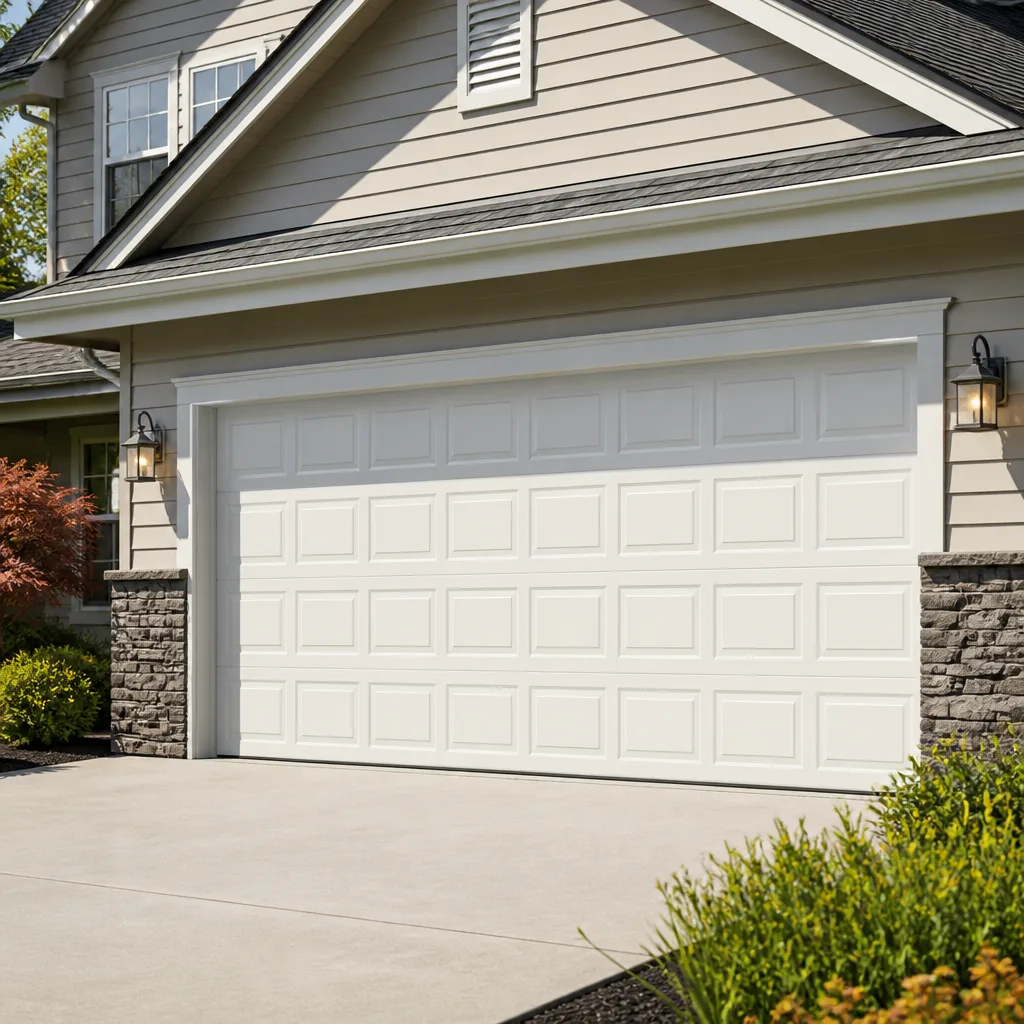 Raised-panel steel
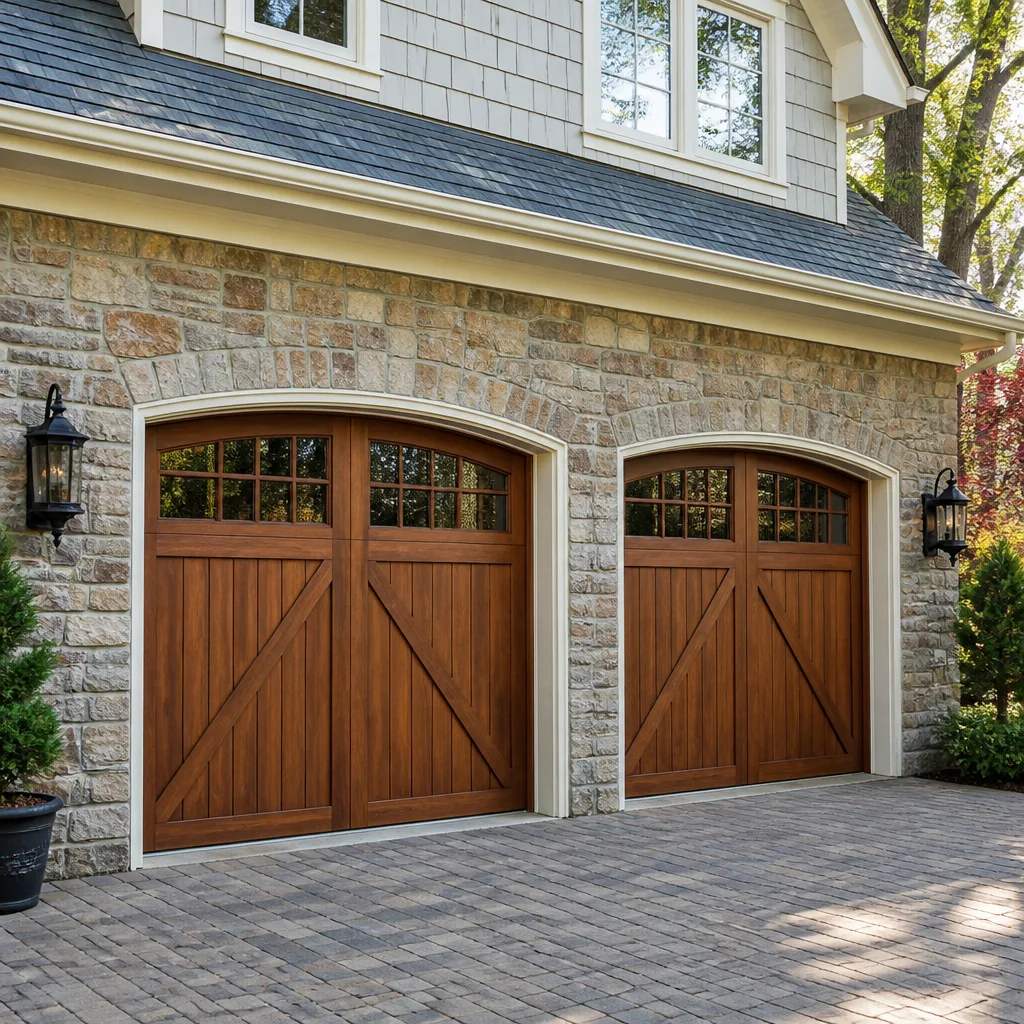 Carriage house
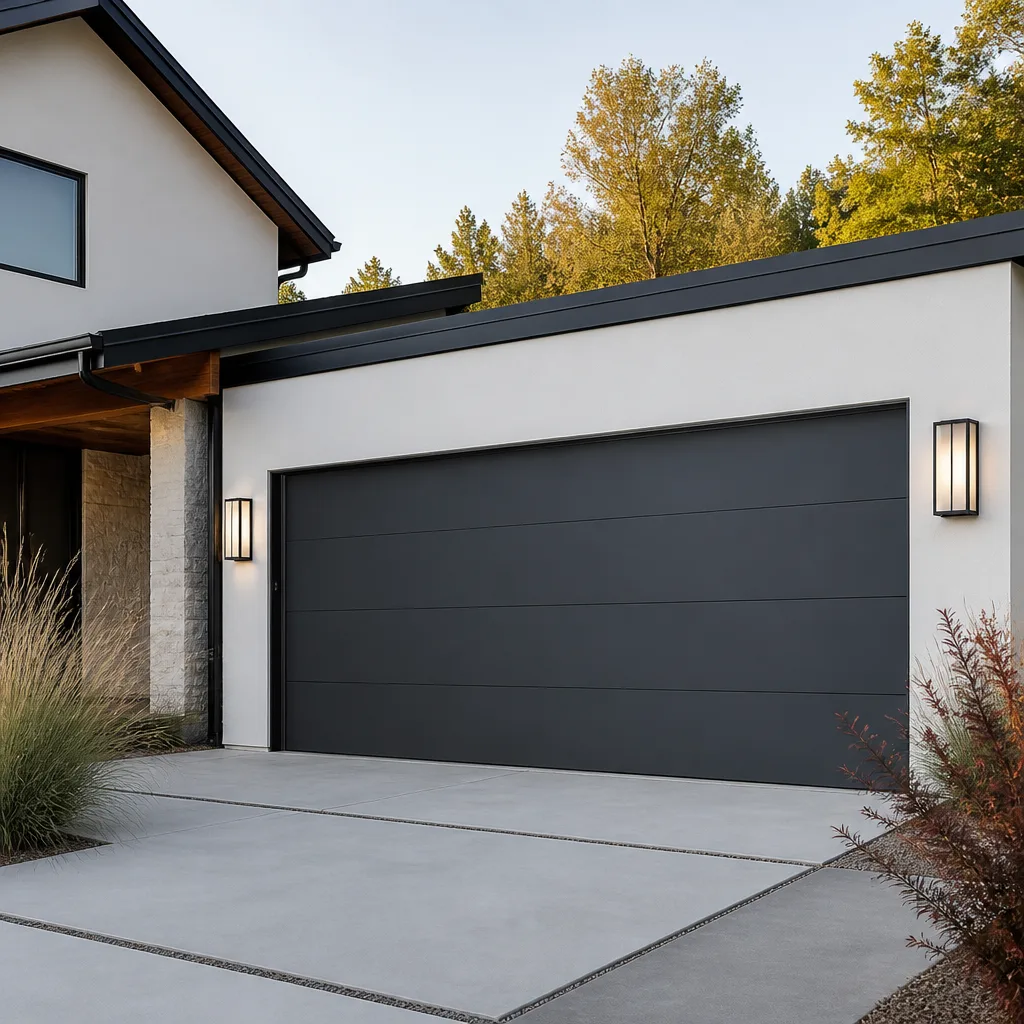 Modern flush
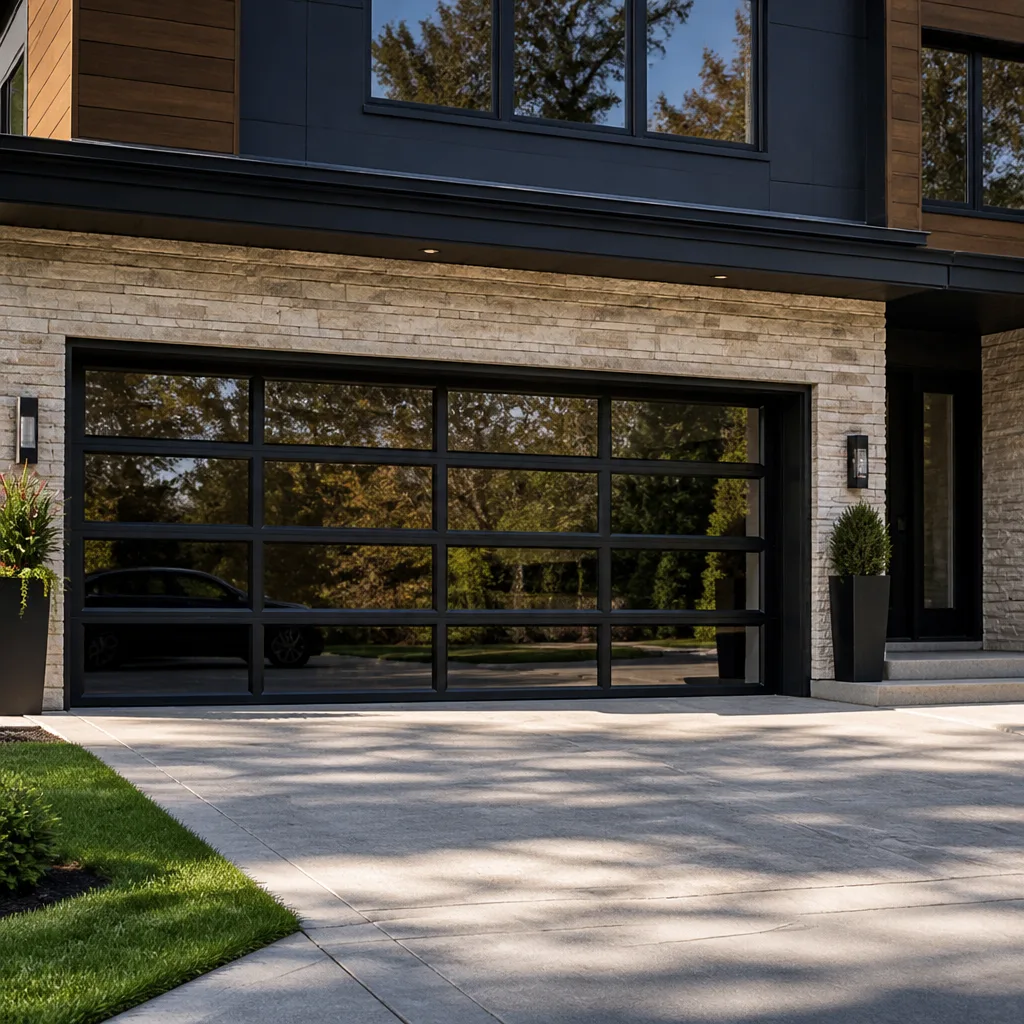 Full-view glass
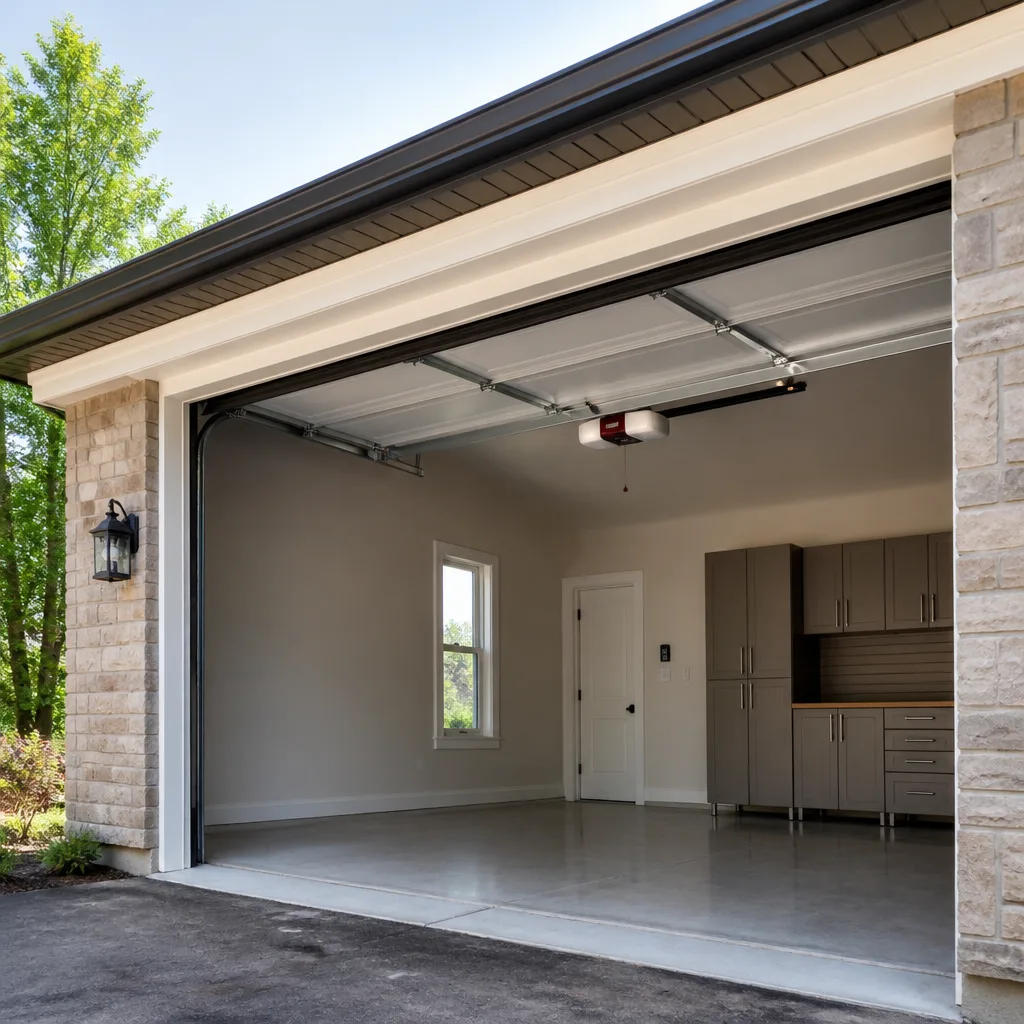 LiftMaster openers
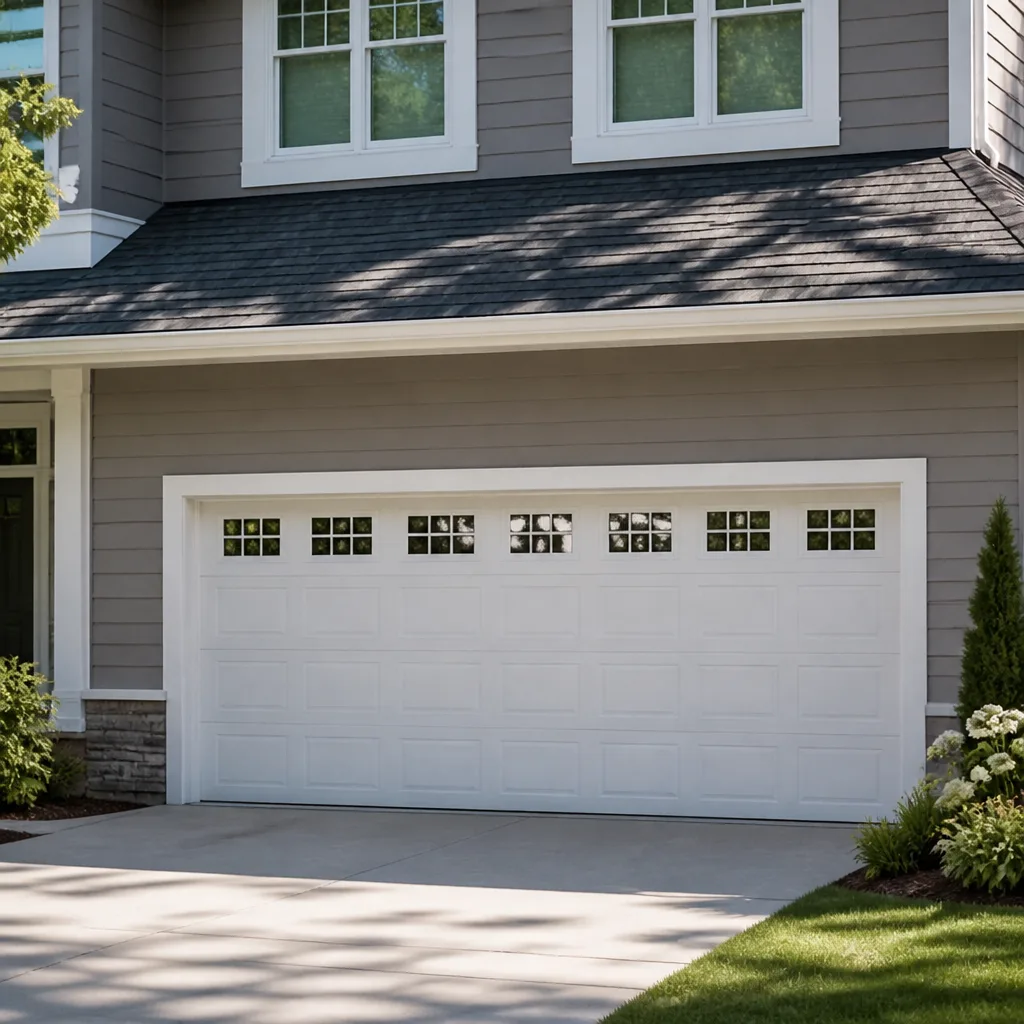 Chamberlain openers
Full 25-point door and opener safety check with every visit - springs, cables, rollers, tracks, and your LiftMaster or Chamberlain opener included
You get a price before we start. It does not change when the pro arrives.
Get your free estimateGarage Door Repair Maintenance Checklist for Largo Homeowners
Lubricating your springs twice a year is standard advice, and most checklists stop there. What nobody tells you is that in Largo’s humidity, the wrong lubricant can turn into a rust accelerant by month three. The generic checklist you found online was probably written somewhere with dry summers and a real winter, and it puts the wrong jobs first. Here the heat, the moisture, and the long sticky season change which parts fail earliest. This guide is sequenced by what actually breaks first in Largo, not alphabetically by component. You’ll learn the humidity-specific lubrication protocol, how to test your bottom seal without tools, a 60-second spring check you can do safely, and how to log it all so a technician can diagnose faster later.
Quick Answer
The most important garage door maintenance in Largo is a humidity-appropriate lubrication routine every two to three months, a monthly bottom-seal compression test, and a visual spring check you never touch with your hands. Generic annual checklists miss these because heat and moisture here attack seals, hinges, rollers, and tracks faster than temperature swings ever would. If anything looks bent, frayed, or won’t seal, stop and call a pro rather than trying to adjust it yourself.
Styles & brands we work with
- Raised-panel steel
- Carriage house
- Modern flush
- Full-view glass
- LiftMaster openers
- Chamberlain openers
Table of Contents
- Why a Generic Checklist Fails in Largo
- The Humidity-Specific Lubrication Protocol
- Testing Your Bottom Seal (The Most Overlooked Part)
- The 60-Second Spring Tension Visual Check
- Corrosion Points Most Largo Owners Miss
- Opener and Safety Sensor Checks
- How to Log Maintenance for Warranty and Insurance
- A Month-by-Month Maintenance Calendar
Why a Generic Checklist Fails in Largo
Most maintenance checklists floating around the internet were written for a climate that spends months below freezing and then dries out. Largo doesn’t do that. Our stress on a garage door comes from a long warm season where the air holds moisture almost year-round, and that changes the failure order. A checklist built for snow-and-ice country tells you to check for ice damage and salt. You don’t have either problem here.
What you do have is heat that softens rubber, humidity that feeds rust on bare steel, and a bottom seal that sits against warm concrete most of the year. In our experience, the parts that fail first in Largo are not the same parts a northern guide puts at the top of the list.
Here’s how the priorities reshuffle:
- What breaks early here: bottom seals lose their compression, hinges and rollers pick up surface rust, tracks grow a dusty film that makes rollers grind, and lubricant that isn’t humidity-rated turns gummy.
- What breaks later than you’d think: the springs themselves, which are usually rated for cycle counts rather than weather, though a mis-lubricated spring corrodes faster than it should.
- What you can safely leave alone: most of the heavy hardware, as long as you’re watching it and not forcing anything.
The payoff of following a Largo-specific order is that you catch the cheap fixes (seals, lubrication, hinge rust) before they turn into the expensive ones (a bent track, a burned-out opener, a snapped spring). A homeowner in the Largo area who lubricates correctly and tests the seal monthly spends far less on repairs than one who follows an annual generic checklist. This guide orders everything by what actually fails first in our heat.
The Humidity-Specific Lubrication Protocol
Here’s the counterintuitive part: lubricating your garage door too much, or with the wrong product, does more harm than skipping it. In Largo’s humid air, a thin oil-based spray attracts dust and moisture, and by roughly month three it can look and behave like a rust accelerator stuck to your rollers. The product matters as much as the schedule.
Which products fit a Largo garage:
- Use a white lithium or silicone-based garage door lubricant made for metal-to-metal contact on hinges, rollers, and the torsion bar bearings. These resist moisture and don’t gum up.
- Use a silicone spray on the bottom seal and the weatherstripping so rubber stays pliable in the heat.
- Avoid WD-40 as a long-term lubricant. It’s a great solvent and a fine short-term fix, but it’s not a lasting lubricant and it attracts dust. It’s the classic mistake we see on doors across Largo.
- Avoid heavy grease on the track. Grease collects grit in humid air and turns your track into a grinding paste.
How often? In our experience, every two to three months through the warm, sticky months is right for a Largo door, and quarterly after that. That’s more frequent than a dry-climate guide suggests, because the moisture here never really leaves.
- Wipe down rollers and hinges with a dry cloth to clear dust first.
- Apply lubricant to each hinge point and roller bearing, one small shot each.
- Spray the torsion bar bearing plates lightly, not the spring coils themselves.
- Run the door up and down a full cycle so the lubricant spreads evenly.
- Wipe any excess so it doesn’t grab dust. A little goes a long way.
If your door sounds like it’s groaning even after a proper lube, that’s often a sign of a worn roller or a part that’s out of adjustment. That’s a good moment to bring in a pro for garage door repair rather than keep spraying.
Testing Your Bottom Seal (The Most Overlooked Part)
If we had to name the single component that fails fastest in Florida heat and gets ignored the most on generic checklists, it’s the bottom seal. That rubber strip does two jobs: it keeps rain, insects, and hot air out, and it cushions the door against the concrete. In Largo’s heat it hardens, cracks, and flattens long before most homeowners notice.
The good news is you can test it without any tools in about a minute.
Standard test:
- Close the door completely and stand inside with the lights off (or at night).
- Look for any daylight showing under the door along the whole width.
- Run your hand along the seam where the seal meets the floor. You should feel a firm, even contact, no gaps and no slack.
- Check the seal’s surface for cracks, brittleness, or flattened spots.
A second, more revealing test: place a sheet of paper under the closed door at several points. If you can slide it out easily, the seal isn’t making real contact there. That spot is letting in air, moisture, and pests.
Why it matters in Largo specifically: a failed bottom seal doesn’t just let the heat in. It lets humidity and driving rain reach the door’s bottom panel and the hardware behind it, and over time that moisture drives rust on the hinges and rollers near the floor. It’s the quiet start of most corrosion problems. Replacing a bottom seal is one of the least expensive fixes on a garage door, and catching it early keeps a small job a small job. If the door won’t sit flush even with a fresh seal, the door or the track may be off, and that’s when you call us for a free estimate.
The 60-Second Spring Tension Visual Check
Safety first: springs, cables, and the torsion bar are under high tension and can cause serious injury. This is a look-only, no-touch check. Never try to adjust, lubricate the coils under tension, or replace a spring yourself. That work belongs to a trained technician.
The spring is the part that stores the energy to lift your door, and when it fails, it fails suddenly. You can’t predict the exact day, but a quick visual inspection each month tells you when to call before something lets go. This applies to both torsion springs (the horizontal ones above the door) and extension springs (the ones running along the sides), depending on your system.
How to do the 60-second check:
- Stand at a safe distance, never directly under the spring.
- Look at the coils. Even spacing all the way across means healthy. A visible gap between coils, or a coil sitting loose, is a warning sign.
- Look at the cables. A frayed, kinked, or slack cable should be treated as a call-us-now situation.
- Look for rust streaks or dark residue on or around the spring. Corrosion weakens spring steel over time.
- Listen. A loud bang from the garage that you didn’t cause is a common sign a spring has broken.
If your door suddenly becomes very heavy to lift by hand, or won’t stay up, the spring is the likely cause. Stop using the door and call for service. Spring failures are one of the most demanding and safety-critical garage door repairs, which is why we handle them as a dedicated service rather than an afterthought. For Largo homeowners, a professional garage door spring repair makes sure the fix is matched to your door’s weight, not just guessed.
Corrosion Points Most Largo Owners Miss
Largo’s year-round moisture means rust starts on the bare steel of your door’s hardware long before you’d expect if you came from a drier climate. A generic annual checklist tells you to “check for rust” once a year. In Largo, the hinges, rollers, and tracks deserve a monthly glance, not an annual one. Here’s where to look.
- Hinges: Look at the metal joints where the panels connect. Fine orange dust or a gritty feel is surface rust starting. A quick clean and the right lubricant stops it early.
- Rollers: The stems and bearings are common rust spots. Rough, squeaky rollers grind your track and wear it out faster.
- Track: Run a fingertip along the inside curve of the track. Grit, a dusty film, or roughness is a sign the track needs cleaning, and possibly that a roller is failing.
- Bottom brackets and the base of the door: The lowest hardware sits closest to warm, damp concrete and often rusts first.
- Panel edges and seams: Paint chips expose steel. On a humid door, an unpainted chip turns into a rust patch quickly.
What to do: wipe rust-prone points with a dry cloth, apply the humidity-rated lubricant from the section above, and touch up any bare metal with paint made for your door’s material. If a hinge is seized or a roller is grinding no matter what you try, it’s time to replace the part. Worn rollers and hinges are among the most common repairs we handle for doors around Largo, and swapping them early protects the rest of the system.
Opener and Safety Sensor Checks
Your opener gets a workout in Largo because the door runs more often in a household that’s active year-round, and heat is hard on the electronics and on the moving parts inside. A quick monthly check keeps the door working and, more importantly, keeps the safety reverse system doing its job.
What to check:
- Test the safety reverse. Place a small object on the floor in the door’s path and close the door. It should reverse on contact. If it doesn’t, stop using the door until it’s fixed.
- Clean the safety sensors. The two small eyes near the floor on each side of the door collect dust and cobwebs in a humid garage. Wipe them and make sure each has a steady light, not a flickering one.
- Listen to the opener. Grinding, straining, or a motor that sounds like it’s working harder than usual points to a door that’s out of balance or worn hardware, not just an opener problem.
- Check the wall control and remotes. If one stops working, it’s often a battery or a quick reprogram, not a dead opener.
We work on the major opener brands Largo homeowners actually own, including LiftMaster, Chamberlain, and Craftsman, so the fix matches your system rather than a generic guess. If your door is balanced and quiet but the opener still struggles, the opener itself may be near the end of its life. That’s where garage door opener repair comes in, and we’ll tell you exactly what’s wrong before we touch it. For doors on the older side, a modern smart opener from LiftMaster or Chamberlain can make a real difference, and we install those too.
How to Log Maintenance for Warranty and Insurance
One of the simplest things you can do for your garage door costs nothing and saves headaches later: keep a log. When a technician arrives, a short written history lets them diagnose faster, and if you ever need to make a warranty or insurance claim, a dated record of the maintenance you’ve done is exactly what gets asked for.
What to record in a simple notebook or a note on your phone:
- Date of each lubrication and which product you used.
- Date you tested the bottom seal and what you found.
- Any spring, cable, or hinge observations from the monthly checks.
- Repairs and part replacements with the date and who did the work.
- Photos of the door, the springs, and any rust spots, taken with your phone’s date stamp on.
Why this matters here: heat and humidity cause slow, gradual wear in Largo, and a log is the difference between “the door started sticking sometime last year” and “the track started grinding in March and got worse by June.” That second version lets a technician point to the cause in minutes. For warranty questions, a record of proper lubrication and seal maintenance is often what shows the door was cared for. For insurance, dated photos before and after storm damage settle what happened and when. Keep it simple and keep it current, and you’ll never be guessing.
A Month-by-Month Maintenance Calendar
Here’s the whole checklist in the order that fits Largo, arranged so it’s easy to keep up with. You don’t need to do everything every month. This calendar spreads the work so nothing gets skipped.
- Every month: Test the bottom seal with the daylight and paper test. Look at the springs from a safe distance. Wipe rust-prone hinges and rollers.
- Every two to three months: Full lubrication with a humidity-rated product on hinges, rollers, and the torsion bearings. Clean the tracks and safety sensors.
- Every six months: Test the safety reverse with an object in the path. Check the door’s balance and listen for new noises. Touch up any paint chips.
- Annually: Do a full walk-through of every point in this guide, and review your maintenance log for patterns.
The single best habit for a Largo garage is the monthly bottom-seal test and the monthly spring look, because those two catch the fastest-developing and most safety-relevant problems. The lubrication routine is what keeps the humidity from quietly eating your hardware between checks. If you ever find something you can’t fix safely, which includes anything involving springs, cables, or the torsion bar, stop and call. A quick professional look costs far less than a repair after a failure, and it keeps your door working the way it should.
Common Mistakes to Avoid
- Using WD-40 as your long-term lubricant. It’s a solvent, not a lasting garage door lube, and in Largo’s humidity it grabs dust and moisture. Use a humidity-rated white lithium or silicone product instead.
- Skipping the bottom-seal test. It’s the fastest-failing part here and the easiest to forget. A quick daylight check each month prevents a small fix from becoming a big one.
- Touching springs or cables to “check” them. Springs are under high tension. A visual check is safe; hands-on adjustment is a job for a trained technician and a serious injury risk otherwise.
- Greasing the track. It feels helpful, but in humid Largo air grease collects grit and grinds your rollers down faster. Clean the track and leave it dry.
- Ignoring rust until something fails. Monthly attention to hinges and rollers in this climate catches surface rust long before it seizes a part.
- Not logging anything. A short maintenance record speeds diagnosis and gives you evidence for warranty or insurance questions.
- Forcing a heavy door. If the door suddenly won’t lift easily or drops on its own, stop. It’s almost always a spring or balance issue, and forcing it can damage the opener or hurt you.
See the difference
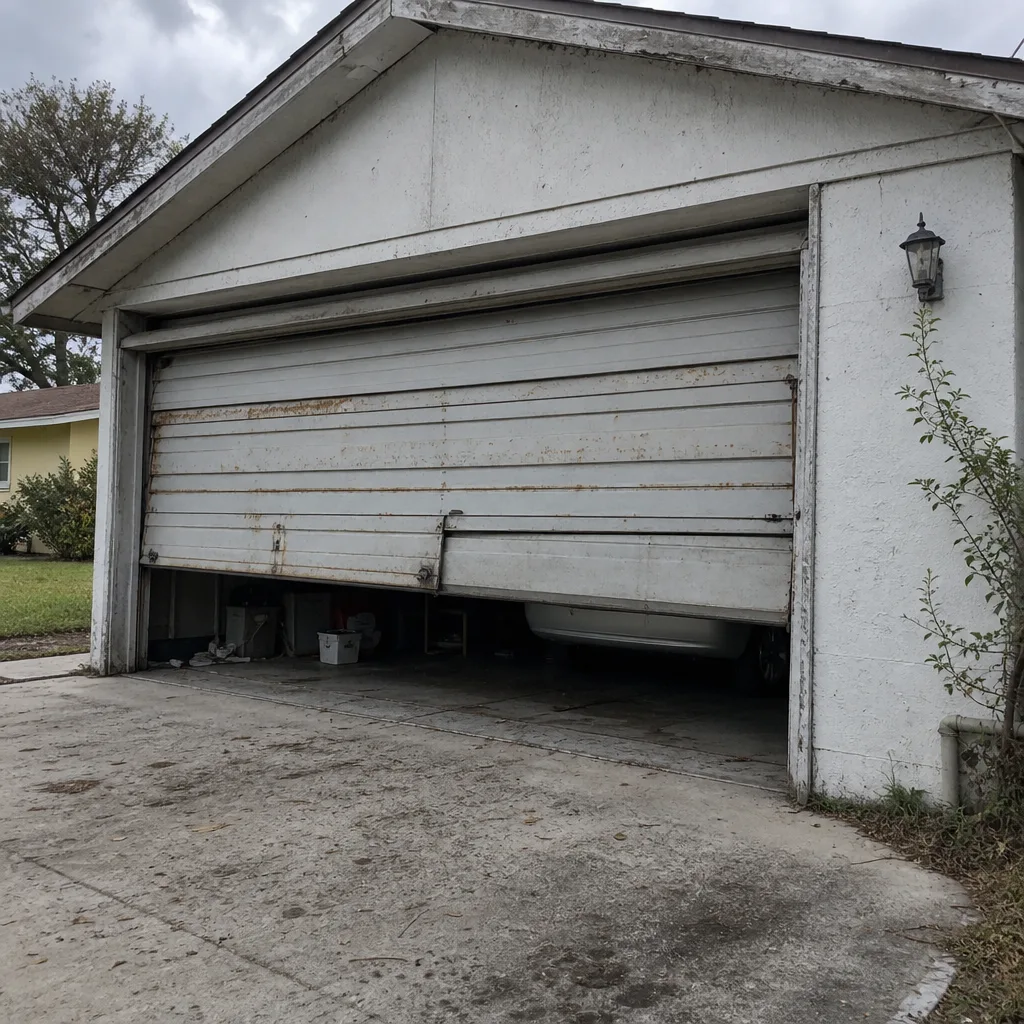 Before
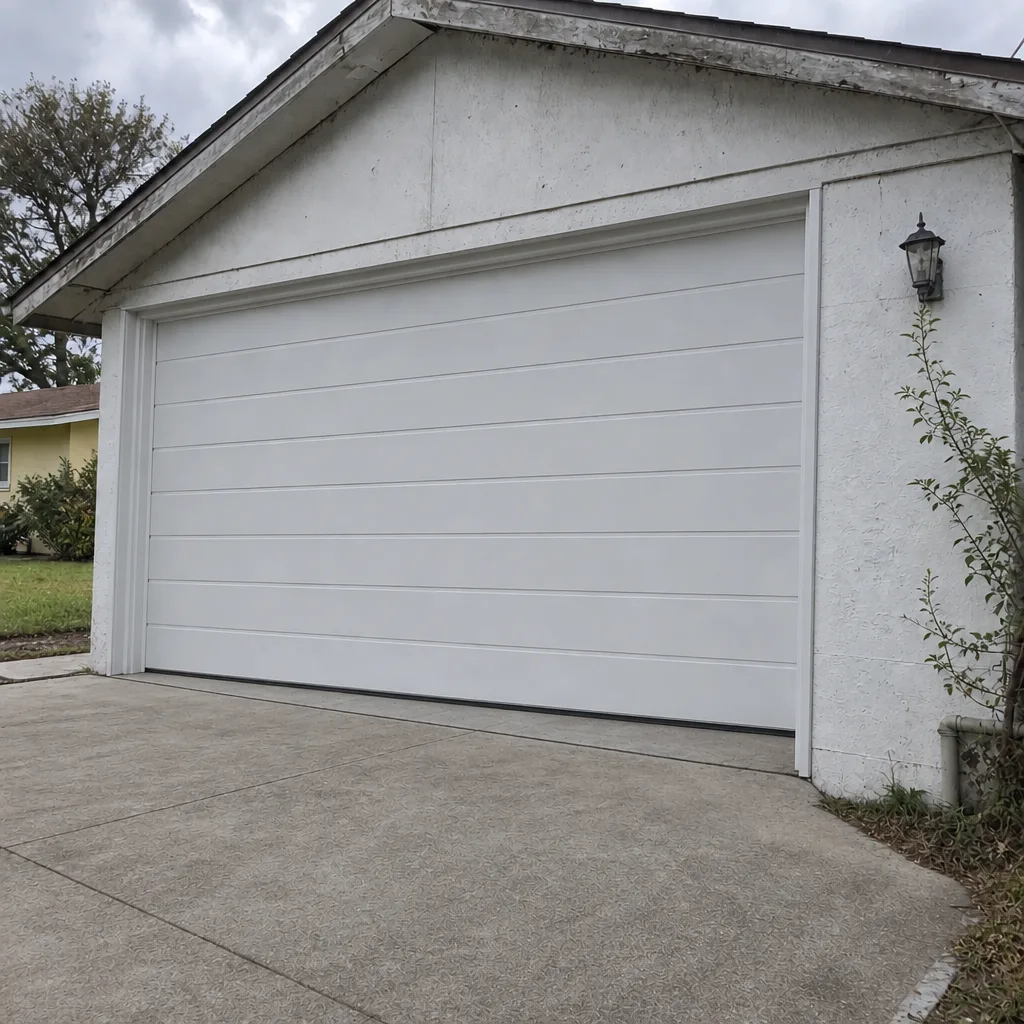 After
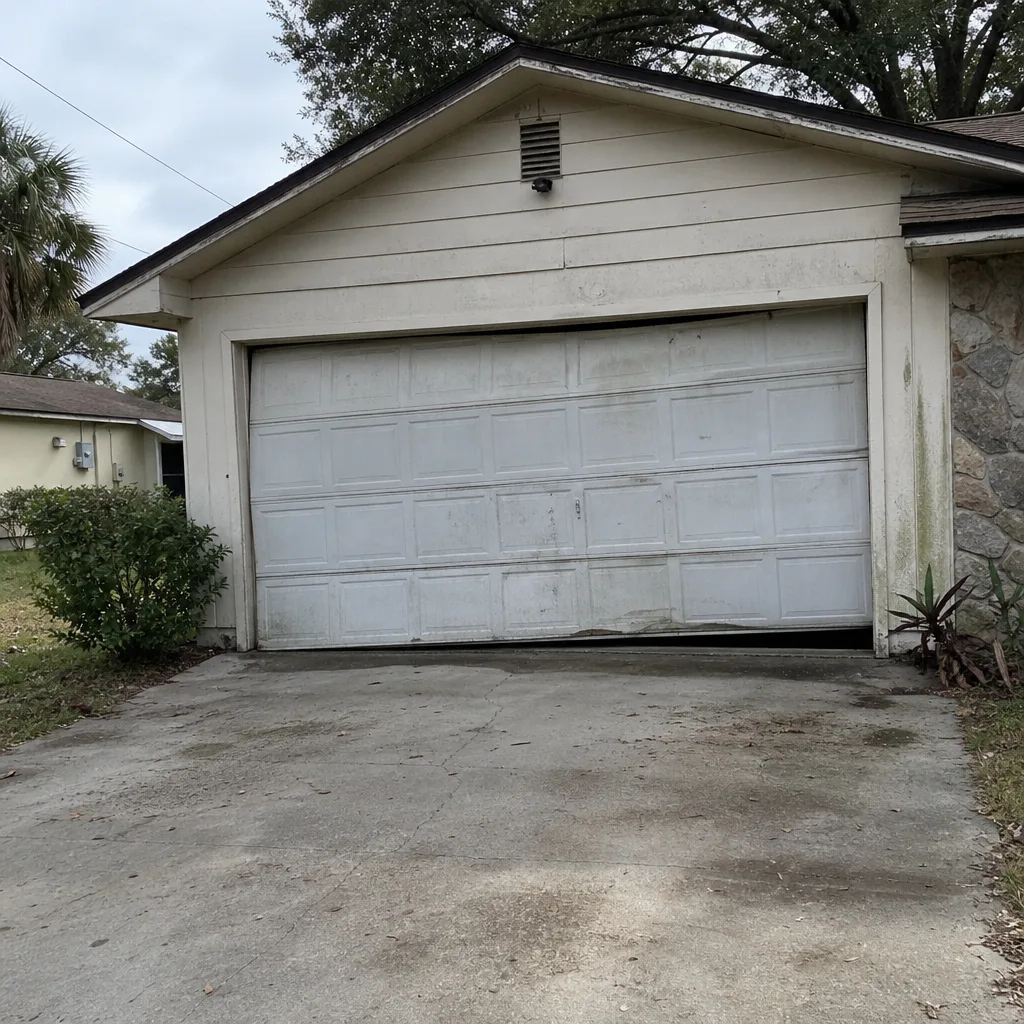 Before
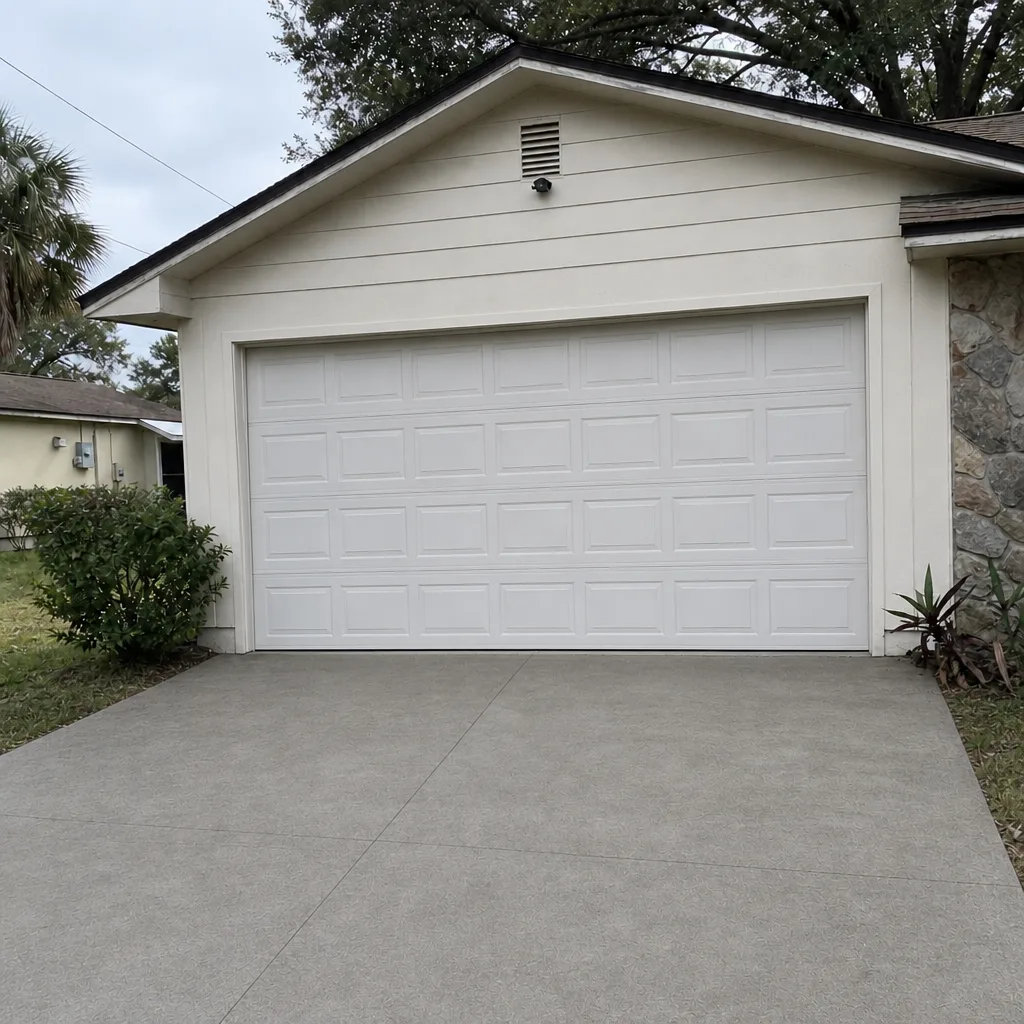 After
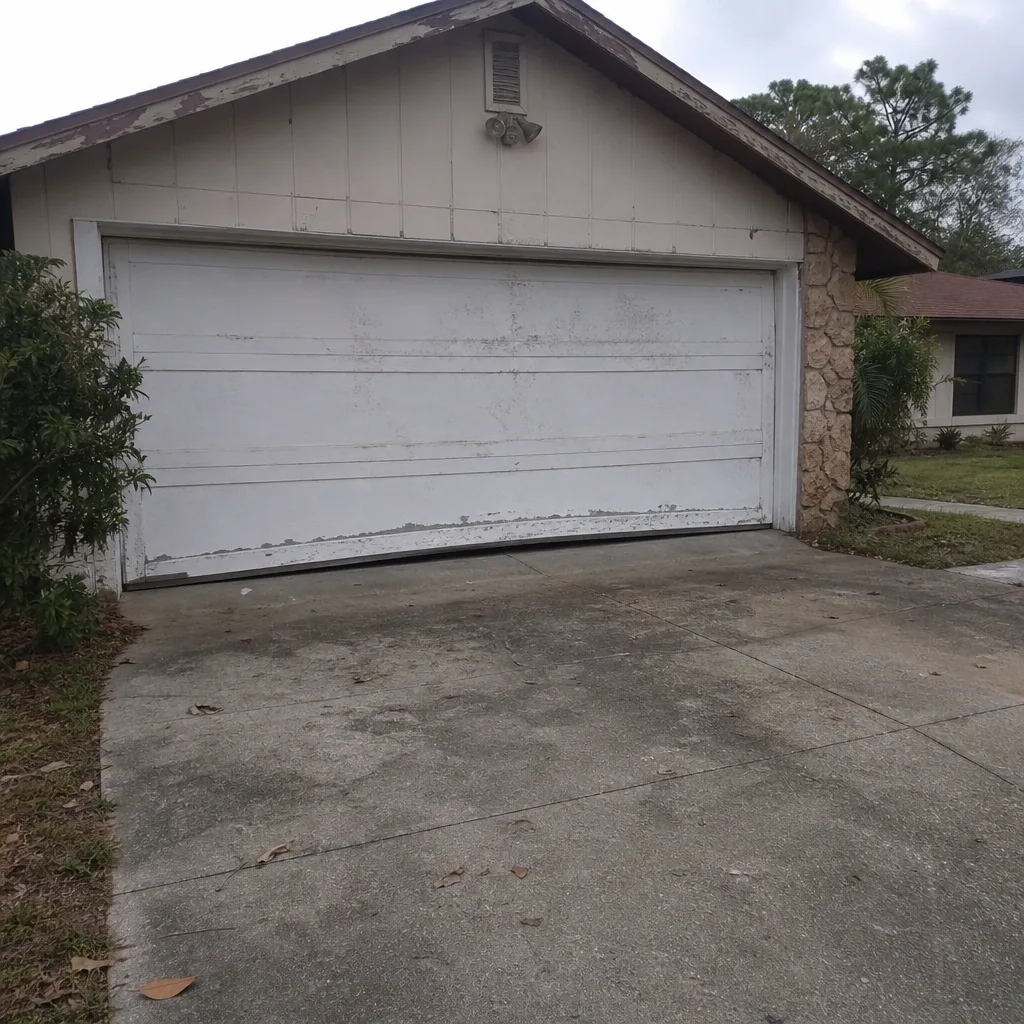 Before
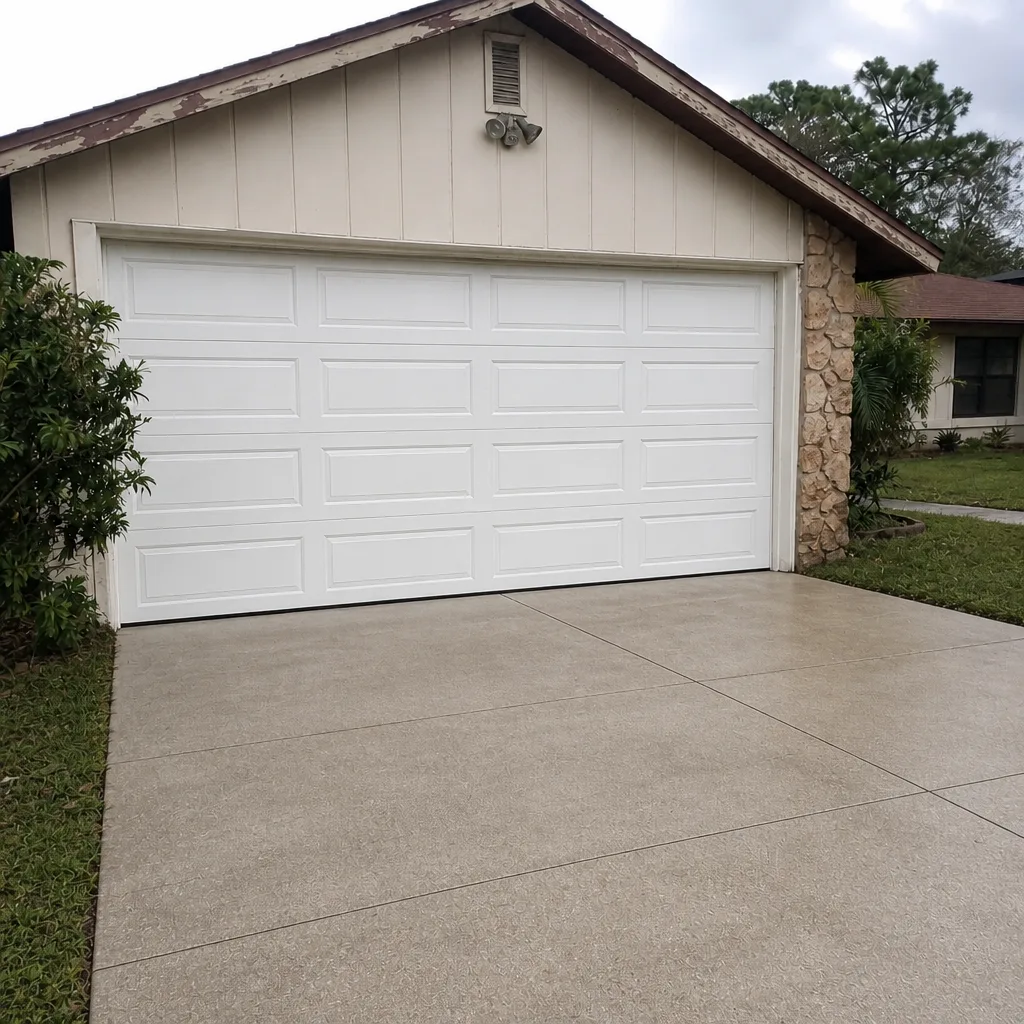 After
When to Call a Professional
Some maintenance is safe for a homeowner to do, and some absolutely isn’t. Call us when: a spring looks broken or the door suddenly gets heavy; a cable is frayed, kinked, or slack; the door comes off its track or won’t sit flush even with a new seal; the safety reverse fails its test; or your opener strains, grinds, or won’t respond to a reset. Anything involving higher-tension parts, electrical wiring, or a door that’s clearly out of balance should go to a trained tech, not a weekend project. We handle the full door system – openers, springs, panels, and full replacement – so you don’t get handed off between companies. Largo Garage Door Repair offers free estimates in Largo – call (866) 515-4679. Our technicians have up to 15 years of experience, and we’ll tell you exactly what’s wrong before we touch it.
Frequently Asked Questions
Every two to three months through the warm, humid season, and quarterly the rest of the year. Largo’s year-round moisture means standard annual advice isn’t enough, and using the wrong product like WD-40 can make things worse. Call (866) 515-4679 if your door still grinds after a proper lube – estimates are free.
No. Garage door springs are under high tension and can cause serious injury, so spring replacement is work for a trained technician, not a DIY job. A visual check is fine, but never try to adjust or remove a spring yourself. Call (866) 515-4679 for safe, professional spring repair.
Heat softens and hardens the rubber faster than in cooler climates, and moisture keeps it under stress, so it flattens and cracks sooner. It’s the most overlooked part on generic checklists and the fastest to fail here. Call (866) 515-4679 if your seal won’t sit flush – estimates are free.
Look for uneven gaps between the coils, loose or damaged cables, rust on the spring, or a door that suddenly becomes very heavy. A loud bang you didn’t cause often means it already broke. Stop using the door and call (866) 515-4679.
Maintenance is the lubrication, seal testing, and visual inspections you can do yourself to catch small problems early. Repair is fixing something that’s broken, worn, or unsafe, which often needs a pro, especially for springs, cables, or a door off track. Call (866) 515-4679 for an estimate on any repair.
Yes. Moisture here drives rust on hinges, rollers, and tracks faster, and heat wears out the bottom seal and stresses the opener. A monthly check of the seal and hardware catches these issues early, but call (866) 515-4679 if you see heavy rust or a grinding track.
The Bottom Line
A garage door maintenance checklist written for a cold climate puts the wrong jobs first for a Largo home. What actually fails earliest here is the bottom seal, then rust on hinges and rollers, then a spring weakened by moisture and a mis-lubricated torsion bar. Test the seal and look at the springs every month, lubricate with a humidity-rated product every two to three months, keep the tracks and sensors clean, and log every check so a technician can diagnose faster and you have a record for warranty or insurance. When you hit anything involving springs, cables, or a door that’s off balance, stop and call a pro. We handle the whole system – repair, springs, openers, and full replacement – and we’ll tell you exactly what’s wrong before we touch it. For our full range of services for homeowners across Largo, see Largo Garage Door Repair.
Contact Us
If your garage door needs a closer look, call Largo Garage Door Repair at (866) 515-4679 for a free estimate. We work on your brand, from Craftsman and Raynor openers to LiftMaster and Chamberlain smart systems, and we’ll give you a written price you agree to before any work starts. Single company, full fix, no handoffs.
Written by the team at Largo Garage Door Repair.